

Commanding Respect
10 Habits to Lead with Quiet Power

Why This Is Worth Reading - Mastering silent authority transforms how others perceive and follow you, unlocking doors in professional and personal spheres. These timeless habits build genuine influence, rooted in self-assurance and purposeful presence, without relying on volume or dominance. Embrace them to lead teams, negotiate deals, and inspire loyalty, creating a legacy of strength that endures across any challenge.
Leaders who command respect do so through deliberate actions that signal inner strength and clarity of purpose. In today's fast-paced world, where distractions abound, the ability to hold space without uttering a word sets true influencers apart. Consider how executives at global giants like Apple maintain composure in high-stakes boardrooms, projecting an aura that demands attention.

Recent data underscores this: nonverbal cues account for 55% of communication effectiveness, tone 38%, and words just 7%. This breakdown reveals why focusing on presence yields profound results.
1. Move with Deliberate Calm
Adopt slow, relaxed movements to convey unshakeable control. Rushing signals anxiety, while measured actions demonstrate mastery over circumstances. Think of Warren Buffett during investor meetings—his steady pace exudes wisdom, drawing others in without haste. Studies show that leaders who maintain composure boost team productivity by up to 25%, as their calm ripples outward, fostering focus and resilience.
2. Lock in Eye Contact, Especially in Tension
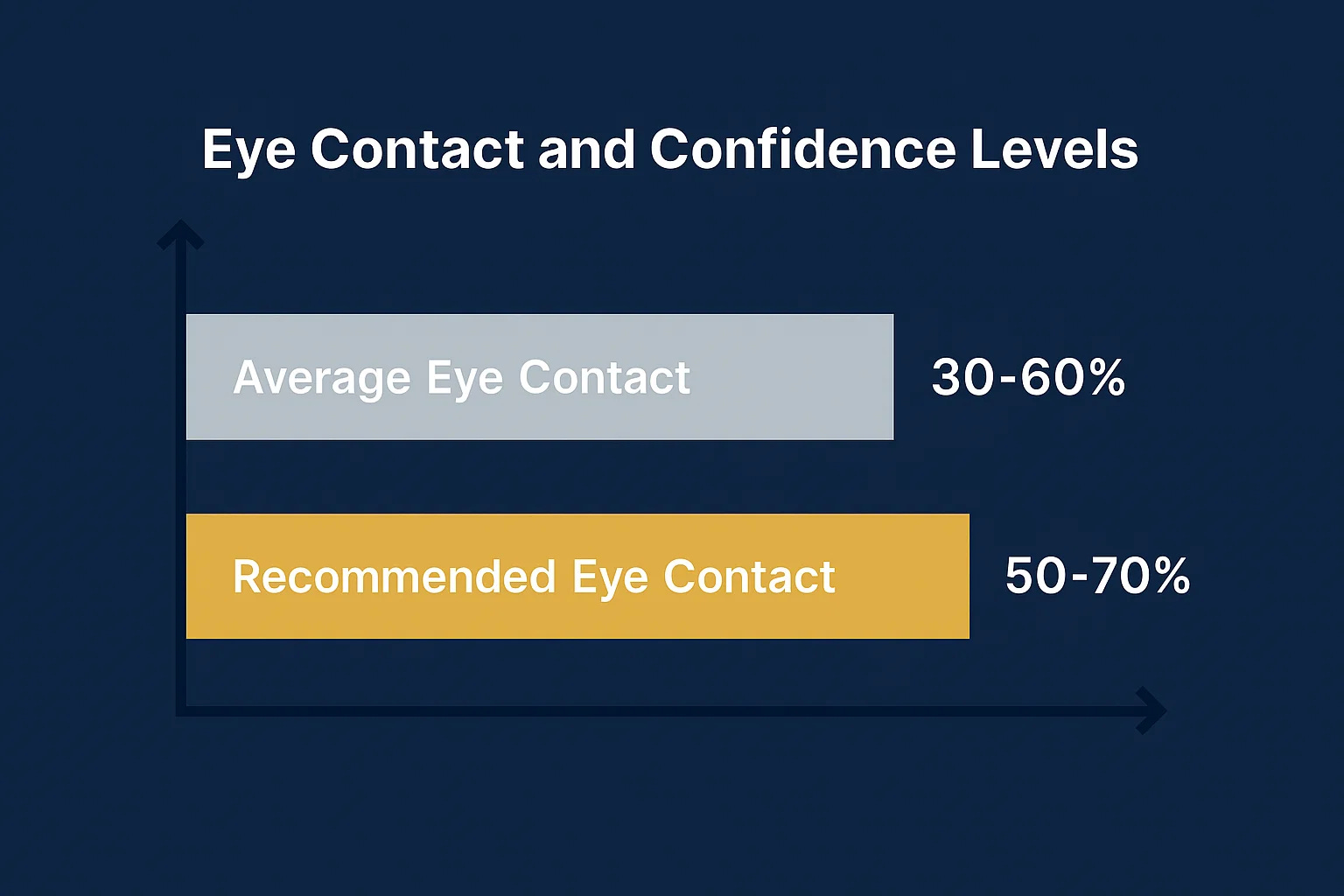
Sustain direct gaze to affirm your resolve, even amid disagreement. This habit cuts through noise, establishing you as unflinching and trustworthy. At Microsoft, Satya Nadella's steady eye contact in strategy sessions builds alliances, turning potential conflicts into collaborative wins. Research indicates adults typically hold eye contact 30-60% of the time, but aiming for 70% while speaking and 50% while listening enhances perceived confidence by over 40%.
For deeper insights on mastering eye contact, watch this YouTube video:
3. Remain Non-Reactive in the Storm
Withhold immediate responses to preserve your power, showing confidence in handling any situation. Reactivity dilutes authority; selective engagement amplifies it. Nike's executives, facing market shifts, stay poised, channeling energy into strategic moves that outpace competitors. Data from 2025 workplace surveys reveal that non-reactive leaders see 20-30% higher team engagement, as their restraint models emotional intelligence.
4. Project Strong Body Language from the Start
Enter spaces with head high and shoulders broad, imprinting respect before words flow. First impressions form in seconds, dictating how seriously you're taken. Indra Nooyi, former PepsiCo CEO, commanded rooms with upright posture, signaling readiness and vision. Leadership studies affirm that body language contributes over 90% to perceived presence, directly influencing promotion rates and negotiation outcomes.
5. Cultivate a Polished Physical Presence
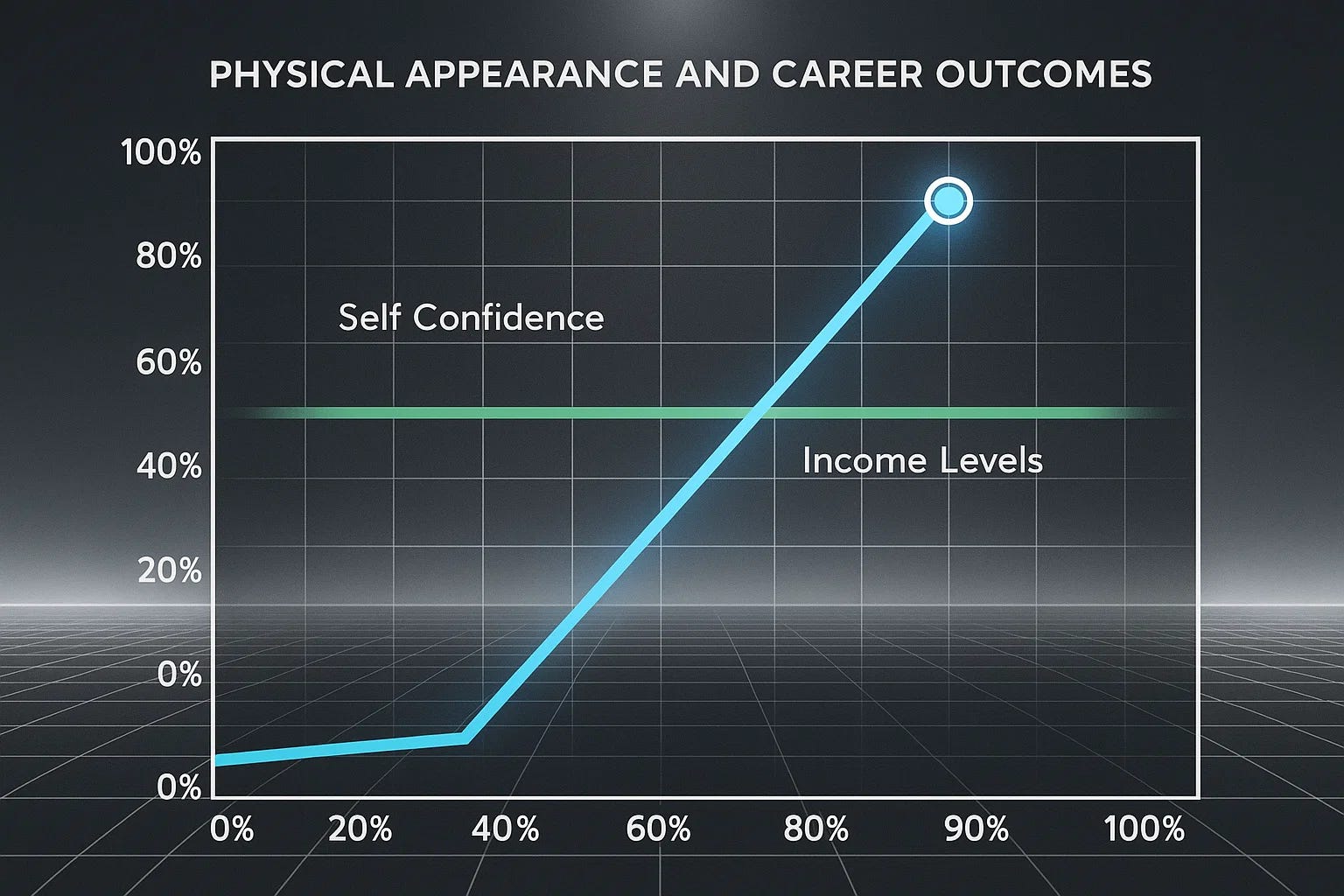
Invest in fitness, attire, and grooming to align outer form with inner strength. Appearance shapes judgments, often unfairly, but harnessing it builds leverage. Consider how Google's leaders blend sharp style with approachable vibes, earning trust across diverse teams. A 2025 Journal of Applied Psychology study links physical attractiveness to heightened self-confidence and up to 15% higher income, underscoring the hard truth of visual impact.
6. Expand Your Presence to Match the Arena
Occupy space boldly—widen gestures for larger groups—to assert dominance subtly. Shrinking diminishes influence; expanding claims it. Tesla's boardroom dynamics thrive on this, where expansive postures foster innovative dialogues. Recent body language research shows that leaders who scale their presence increase group cohesion by 25%, turning individuals into unified forces.
For practical demonstrations, check this YouTube video:
7. Command with Authoritative Tone
Deliver statements as declarations, avoiding upward inflections that undermine certainty. Tone conveys conviction, shaping how ideas land. Warren Buffett's measured voice in earnings calls instills investor faith, driving market stability. Executive presence data from 2025 indicates that tonal authority accounts for 38% of leadership impact, correlating with 26% faster advancement to senior roles.
8. Speak Slowly, Harness the Pause
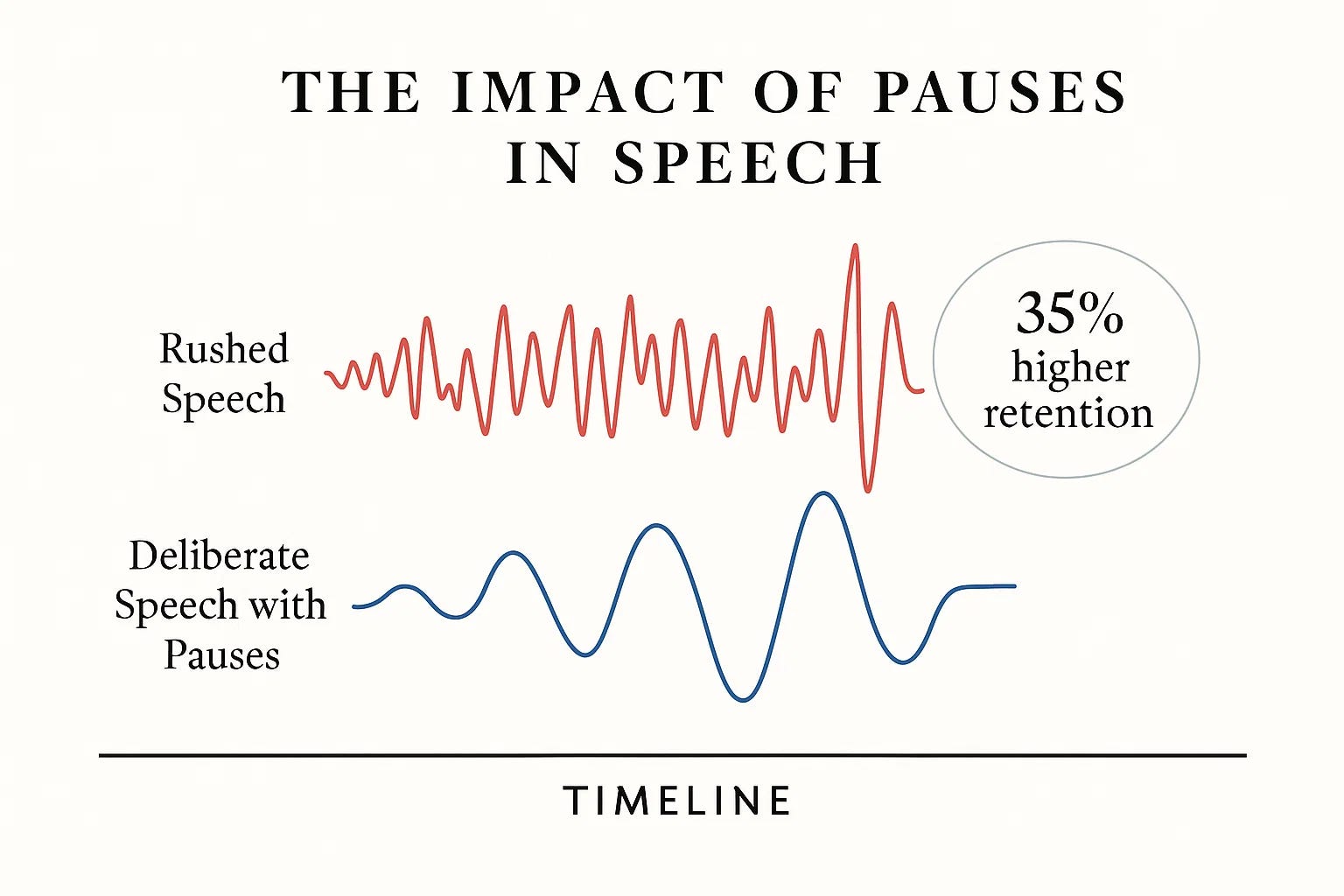
Pace words deliberately, inserting silences to draw listeners closer. Rushed speech scatters focus; pauses build anticipation and weight. Angela Merkel's addresses exemplified this, using rhythm to guide global policies. Communication analytics reveal that paused delivery boosts retention by 35%, as it allows truths to resonate deeply.
9. Infuse Words with Unwavering Conviction
Choose language that asserts outcomes—"I will" over "I hope"—to project unbreakable resolve. Hesitant phrasing erodes trust; bold declarations forge it. At Amazon, this mindset propelled expansions, turning visions into realities. Leadership surveys show that conviction-driven communication elevates success rates by 21%, as it aligns teams with purpose.
10. Master Non-Verbal Mastery
Refine subtle cues—gestures, expressions—to communicate volumes silently. Words alone fall short; integrated signals amplify authority. Global brands like Coca-Cola leverage this in campaigns, where unspoken vibes build loyalty. With nonverbal elements dominating 93% of interactions, honing them ensures you're seen as formidable, not to be trifled with.
To enhance your non-verbal skills, view this YouTube video:
Seize this knowledge to forge your path of influence.
Begin today:
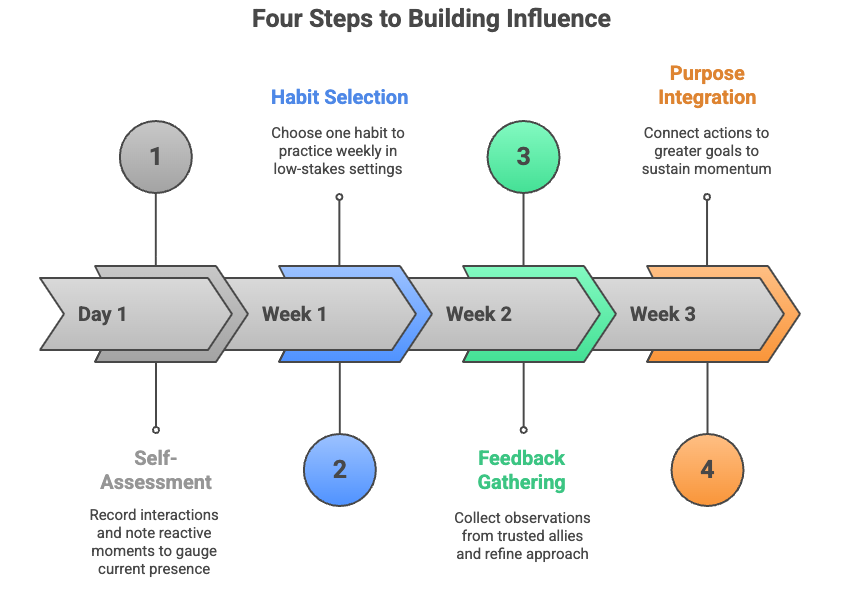
Step 1—Assess your current presence by recording interactions and noting reactive moments.
Step 2—Select one habit weekly, practicing in low-stakes settings like meetings or conversations.
Step 3—Gather feedback from trusted allies, refining based on observations.
Step 4—Integrate purpose, asking why each action serves the greater goal, to sustain momentum.
Commit now, and watch respect flow naturally, empowering you to lead with unyielding strength.