

The Architect’s Edge
Why Leaders Who Scale Stop Mistaking Effort for Value

Why This Matters Now - Today’s market is defined by radical volatility; the traditional correlation between strenuous labor and high returns has collapsed. To build a lasting legacy, the modern leader must delete the industrial “hustle” software and install an operating system designed for structural leverage and cognitive freedom.
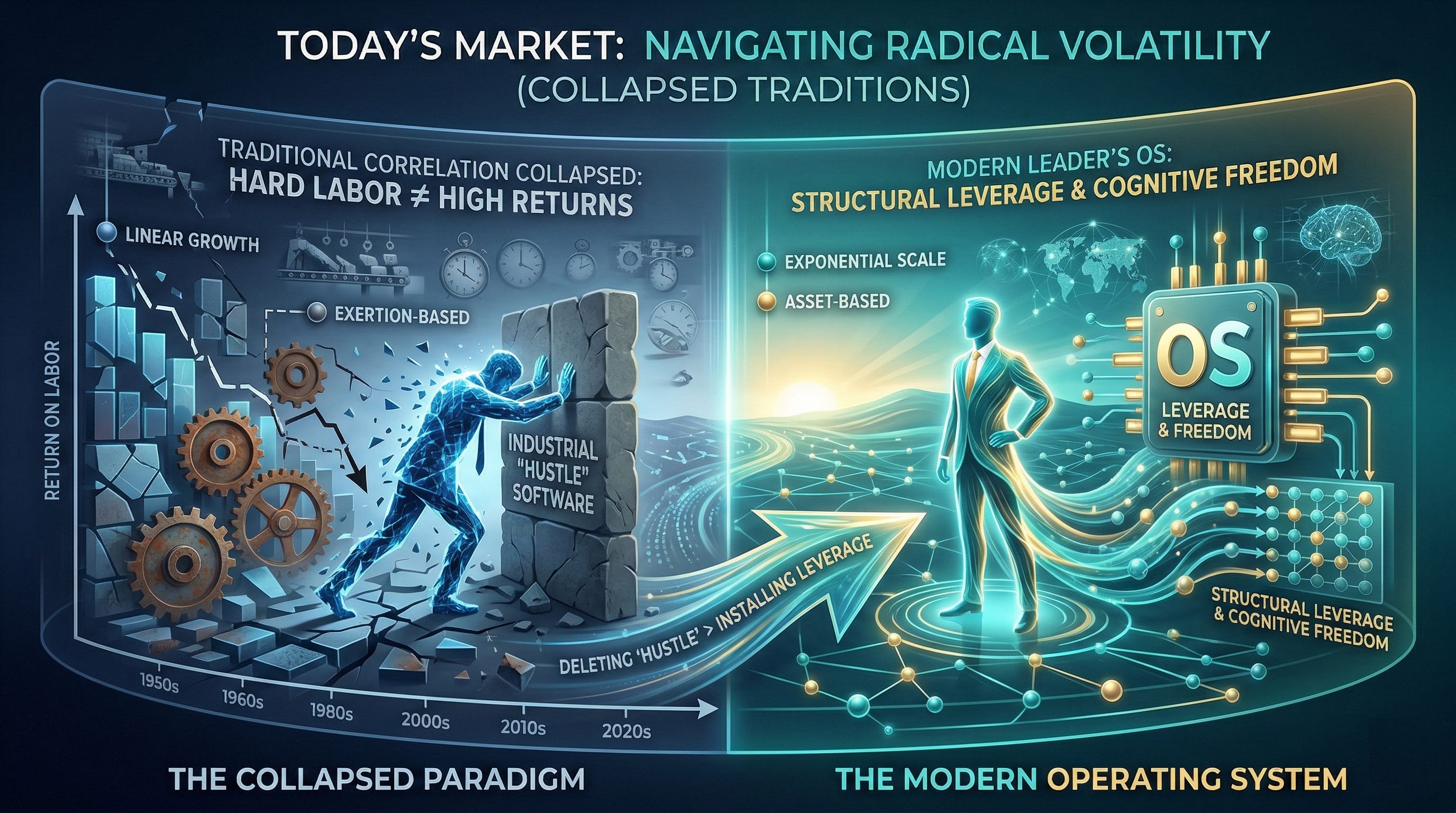
There is a phase in almost every ambitious life when working harder still feels like the cleanest answer. You answer faster. Stay later. Sit in on every call. Fix what others miss. Carry too much and call it leadership. In the beginning, that behavior works. It creates momentum. It can create revenue. Sometimes it creates a reputation around you—the person who always steps in, always solves it, always delivers.
Then the company grows, and the math turns on you. The meetings multiply. The decisions pile up. The business gets more complex, but your method stays primitive. More of you. More hours. More intervention. What once looked like commitment starts to look like drag. Everything important still routes through one person. Every team learns to escalate upward. Every problem eventually lands back on your calendar. You are not scaling the company anymore: you are absorbing it.
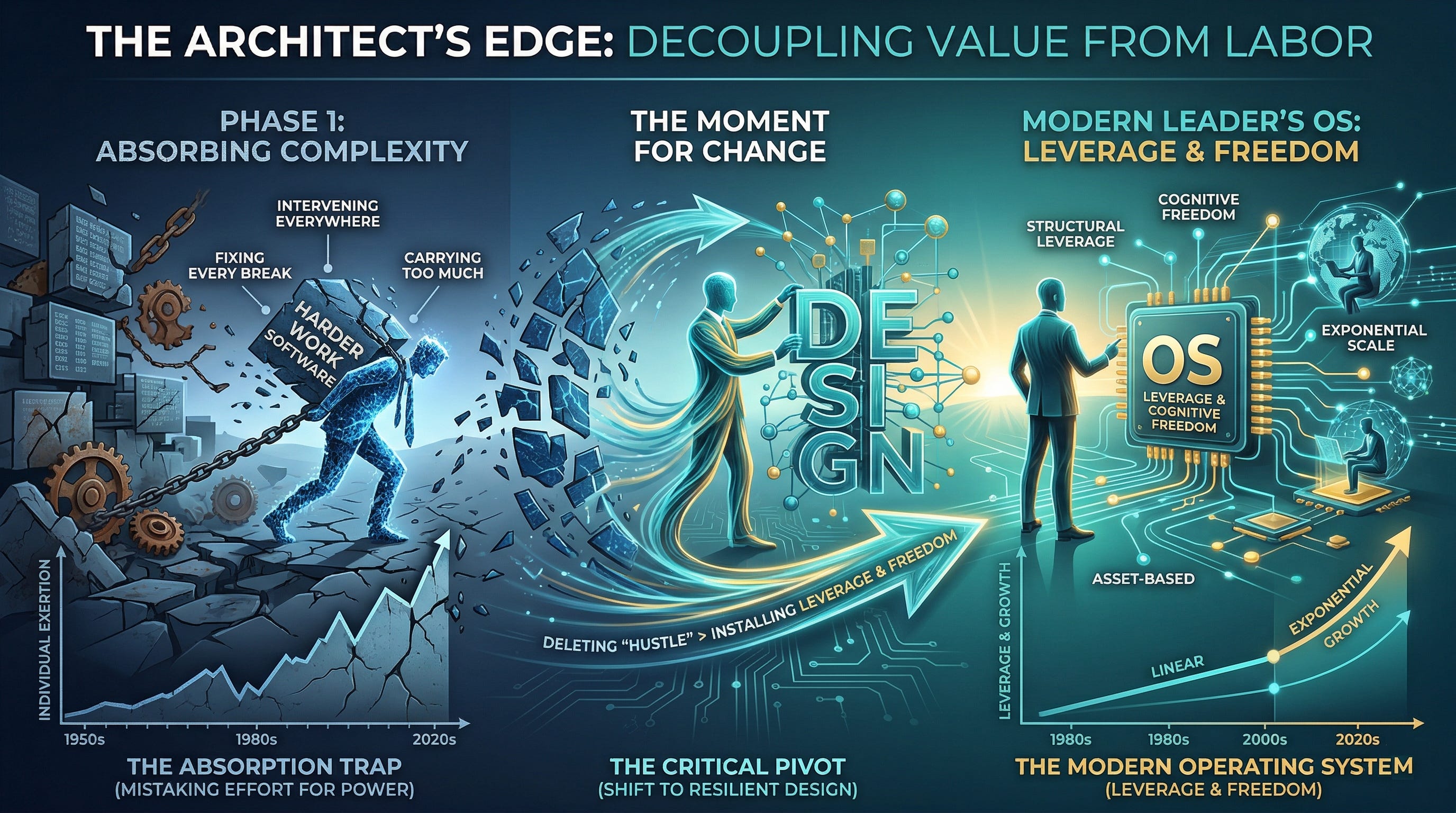
That is the trap. A lot of talented people do not notice it because the old signals still look flattering. The inbox is full. The day is packed. The phone does not stop. You feel central because everything touches you. But centrality is not the same thing as power.
At a certain point, growth stops rewarding raw effort and starts rewarding design. The leaders who keep rising are usually not the ones with the highest pain tolerance; they are the ones who learn to redesign where their effort belongs. They stop treating time as the main engine of value and start building systems, assets, and decision flows that keep producing after their personal attention moves elsewhere.
1. The Hero Becomes the Bottleneck
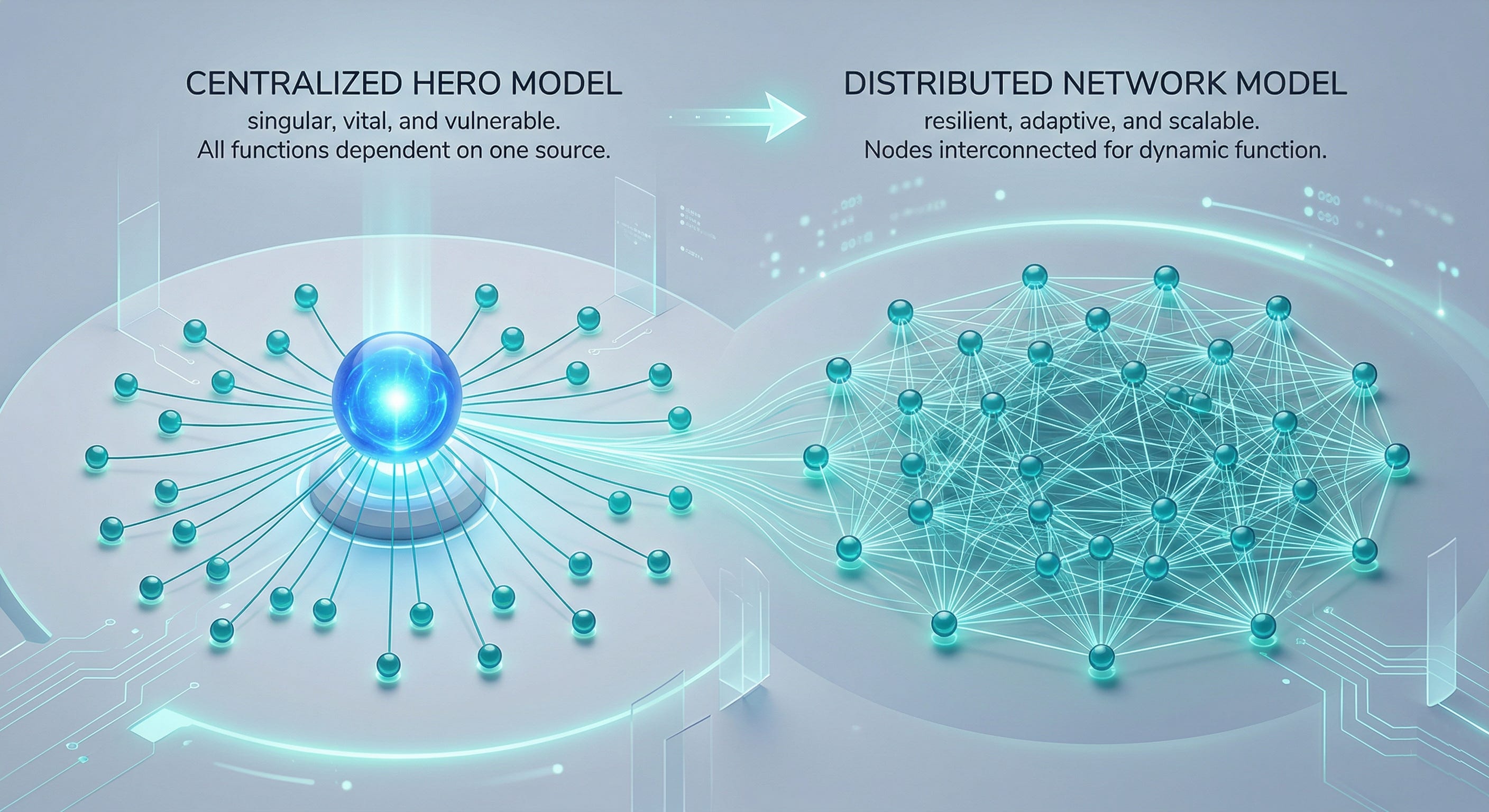
Most companies are built by people with strong rescue instincts. They are good in chaos. They move quickly. Early-stage businesses reward exactly that kind of behavior, which is why so many founders become indispensable in the first place.
But indispensability has a shelf life. At some point, being the hero becomes a disguised form of control. You tell yourself the team is not ready. You tell yourself standards will slip if you let go. Usually, it is not temporary; usually, it is identity. There is a private thrill in being needed. It flatters the ego while draining the business.
2. The People Who Win Question the Constraint
Most operators inherit the structure around them and treat it as reality. New York’s taxi market is a useful example. For decades, yellow-cab supply was tightly constrained by a medallion system that hovered around 13,587 licenses. That scarcity helped define the market until Uber challenged the assumption that the existing structure deserved to remain the structure.
The biggest opportunities often sit behind rules that feel settled only because people have stopped interrogating them.
Watch how Elon Musk explains the power of First-Principles thinking to dismantle industry constraints.
3. First Principles: Beyond the Mythology
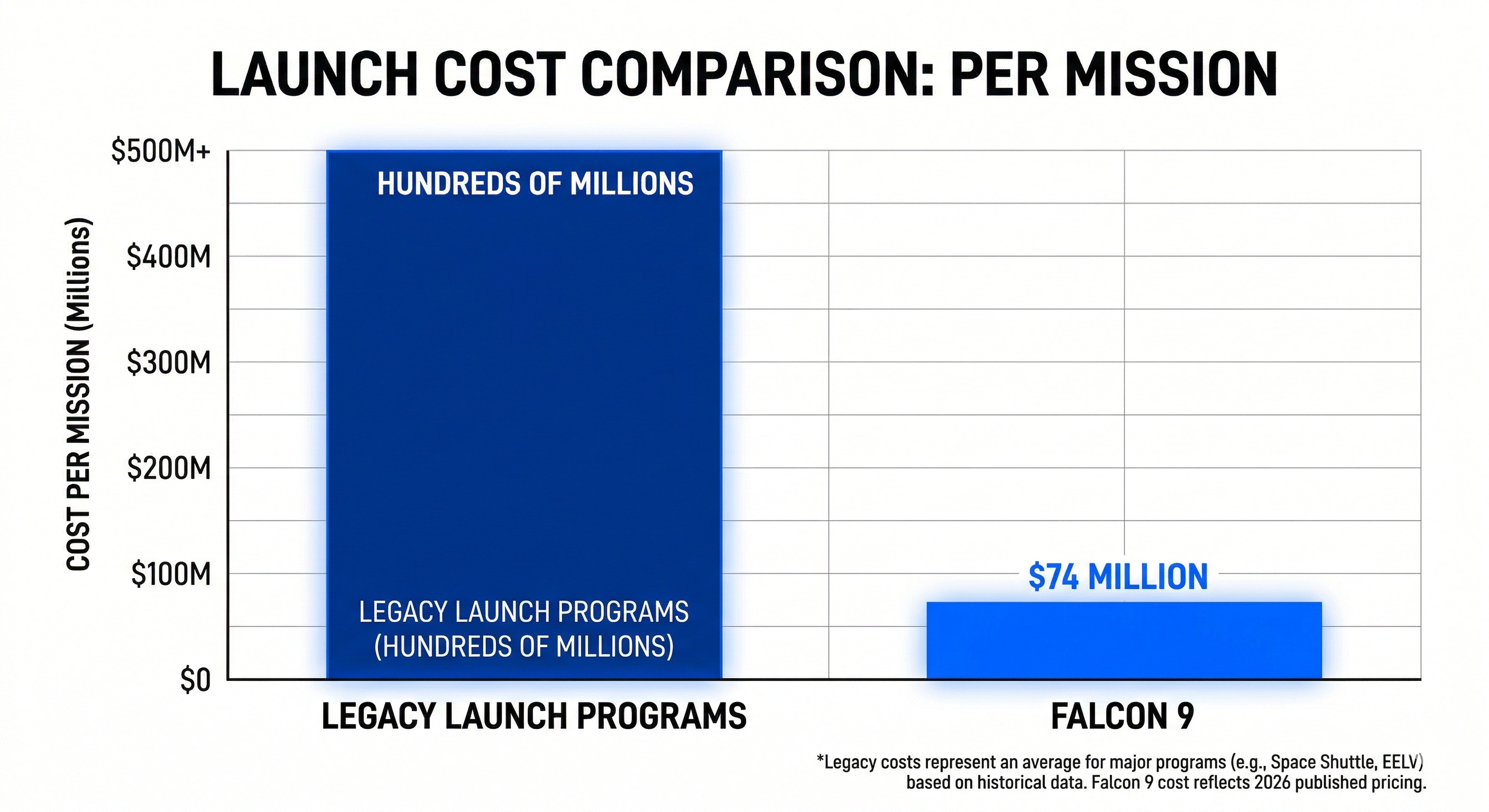
First-principles thinking is simply the refusal to let inherited assumptions do your thinking for you. SpaceX attacked the launch stack not with admiration, but with decomposition. Traditional launch economics were shaped by limited reuse and cost structures that had hardened into common sense.
The current standard payment plan for a Falcon 9 is roughly $74 million through 2026—a fraction of the “several hundred million” charged by legacy programs. Most leaders do not need to reinvent rocketry; they need to apply the same discipline to ordinary corporate nonsense. Why does this approval chain exist? Why is this process still built around an exception that happened two years ago?
4. Decoupling Value from Your Hours
For most people, income is still tied to visible effort. It is just limited. The major shift in modern wealth creation is that some of the highest-value outputs are no longer tightly bound to the hours required to produce them. Software scales globally once built; capital compounds while you sleep.
That changes the most important strategic question: What can continue to create value when I am no longer in the room? ### 5. Ownership and the “Family Office” Model Income feels clean because the exchange is immediate. Ownership feels different. It is slower, more volatile, and asks for patience in a culture that worships visible motion.
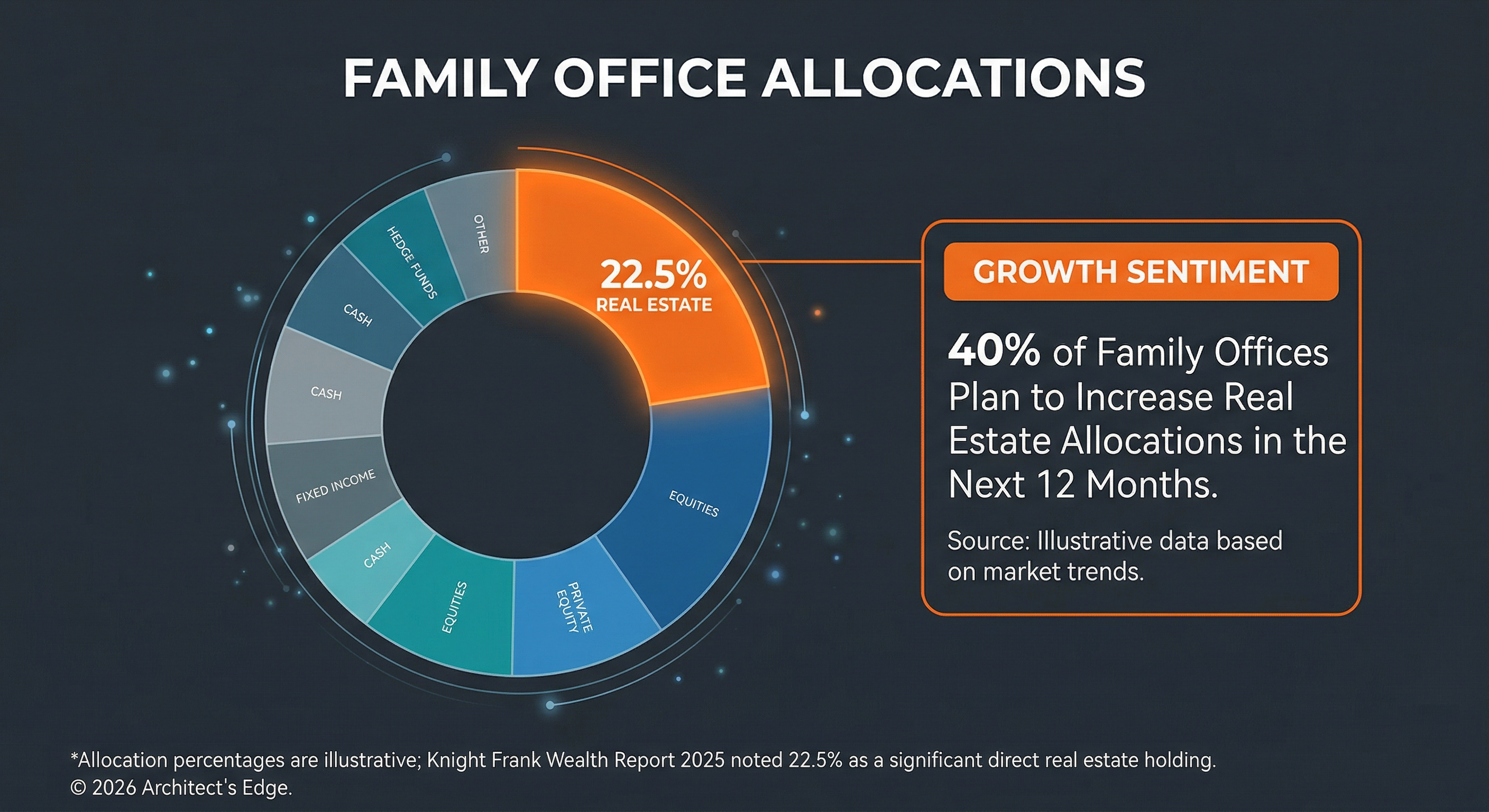
Knight Frank’s 2025 Wealth Report reveals that the world’s most sophisticated investors—family offices—remain deeply concentrated in assets that compound. Direct real estate ownership accounts for 22.5% of the typical family office portfolio, and more than 40% plan to increase those allocations. They position themselves where upside travels farther than labor ever could.
6. Attention as a Balance-Sheet Item
The old model of leadership glorified visible busyness. It also destroys judgment. Jeff Bezos has famously stated that senior executives are paid to make a small number of high-quality decisions. Decision quality drops when attention is treated as if it renews itself endlessly.
Watch Jeff Bezos explain why he prioritizes a small number of high-quality decisions:
7. Growth as a Test of Self-Development
As a company scales, the founder eventually exposes every unresolved habit: their need for praise, their addiction to urgency, and their inability to delegate. Tobi Lütke (Shopify) argues that the CEO must keep evolving, or they become the limiting factor. That is not motivational language; it is operational reality.
Watch Tobi Lütke discuss the “Infinite Game” of leadership and first principles:
8. Scale Without Resilience is Faster Fragility
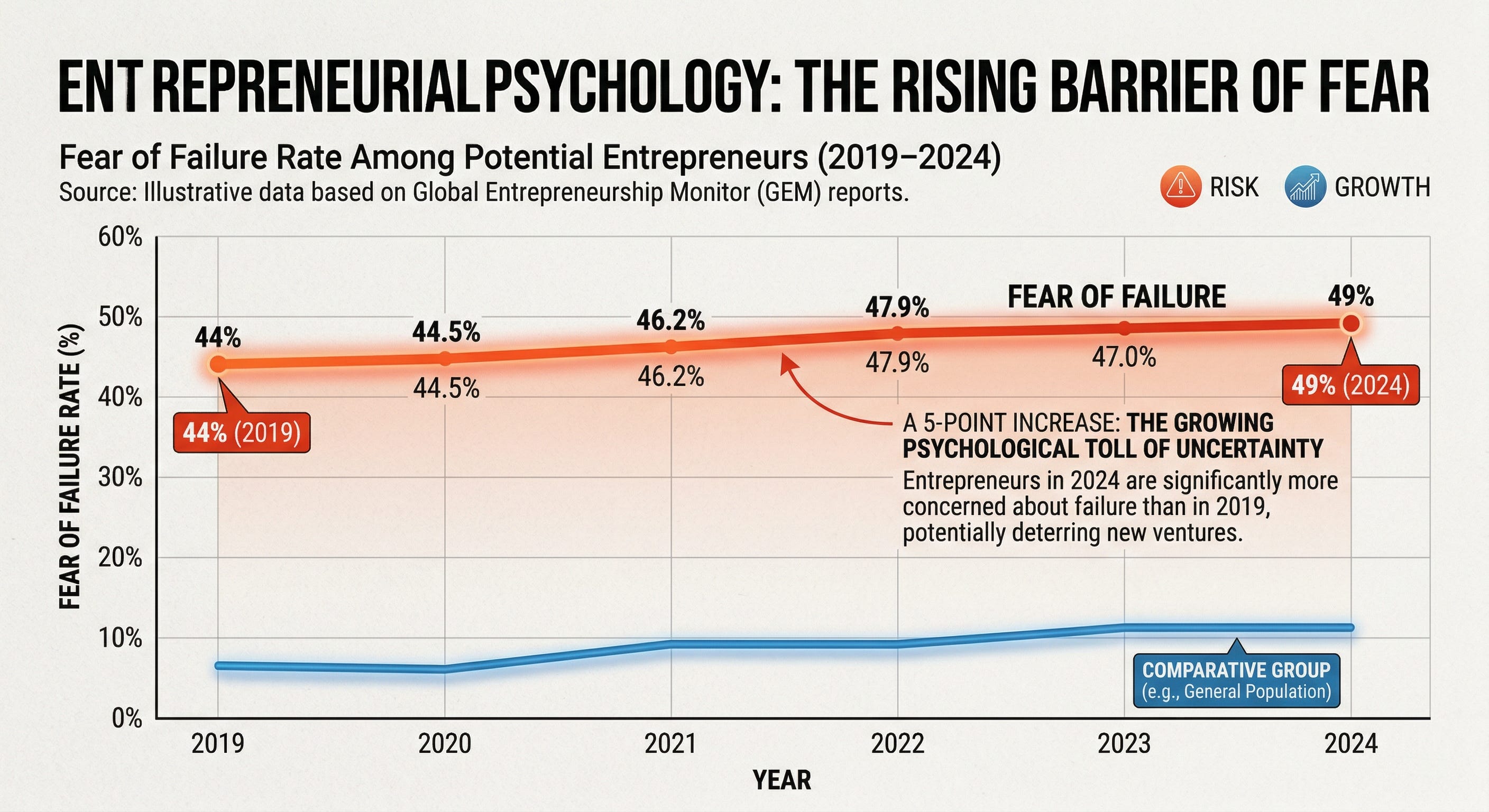
Leverage has a shadow. The more optimized a system is, the more damage a single failure can do. The Global Entrepreneurship Monitor (GEM) 2024/2025 report highlights a growing fear of failure, affecting 49% of would-be entrepreneurs. The goal is not efficiency in the abstract: it is resilient leverage—processes that flex under stress and teams that understand principles, not just instructions.
9. High-Leverage Leadership in Practice
It does not look like less ambition; it looks like ambition that has become more selective. The language of “hustle” sounds dated in serious rooms because the strongest leaders are no longer trying to prove themselves through volume. They are protecting maximum convenience.
Watch Shark Tank’s Daymond John share how to leverage “the Power of Broke” and build a team to scale your brand:
Your Breakthrough Roadmap
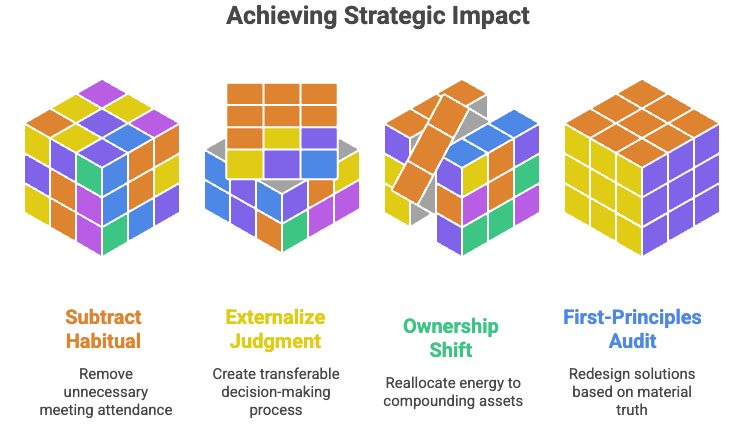
Subtract the Habitual: Identify where your presence is habitual but not necessary. Remove yourself from one meeting and one recurring decision by next Friday.
Externalize Your Judgment: Find a process that exists only in your head and make it transferable. Build a playbook that allows someone else to carry the judgment, not just the task.
The Ownership Shift: Reallocate 20% of your energy toward assets that compound. Stop chasing only what pays this month and start asking what accumulates over five years.
The First-Principles Audit: Take one stubborn problem and strip it down until the inherited assumptions fall away. Redesign the solution based on material truth.
The better dream is to become unnecessary in the places that should never have depended on you so heavily. That is not disengagement. It is mastery.
Watch Kevin O’Leary discuss the “Cold Hard Truth” about what it takes to scale and build long-term value: