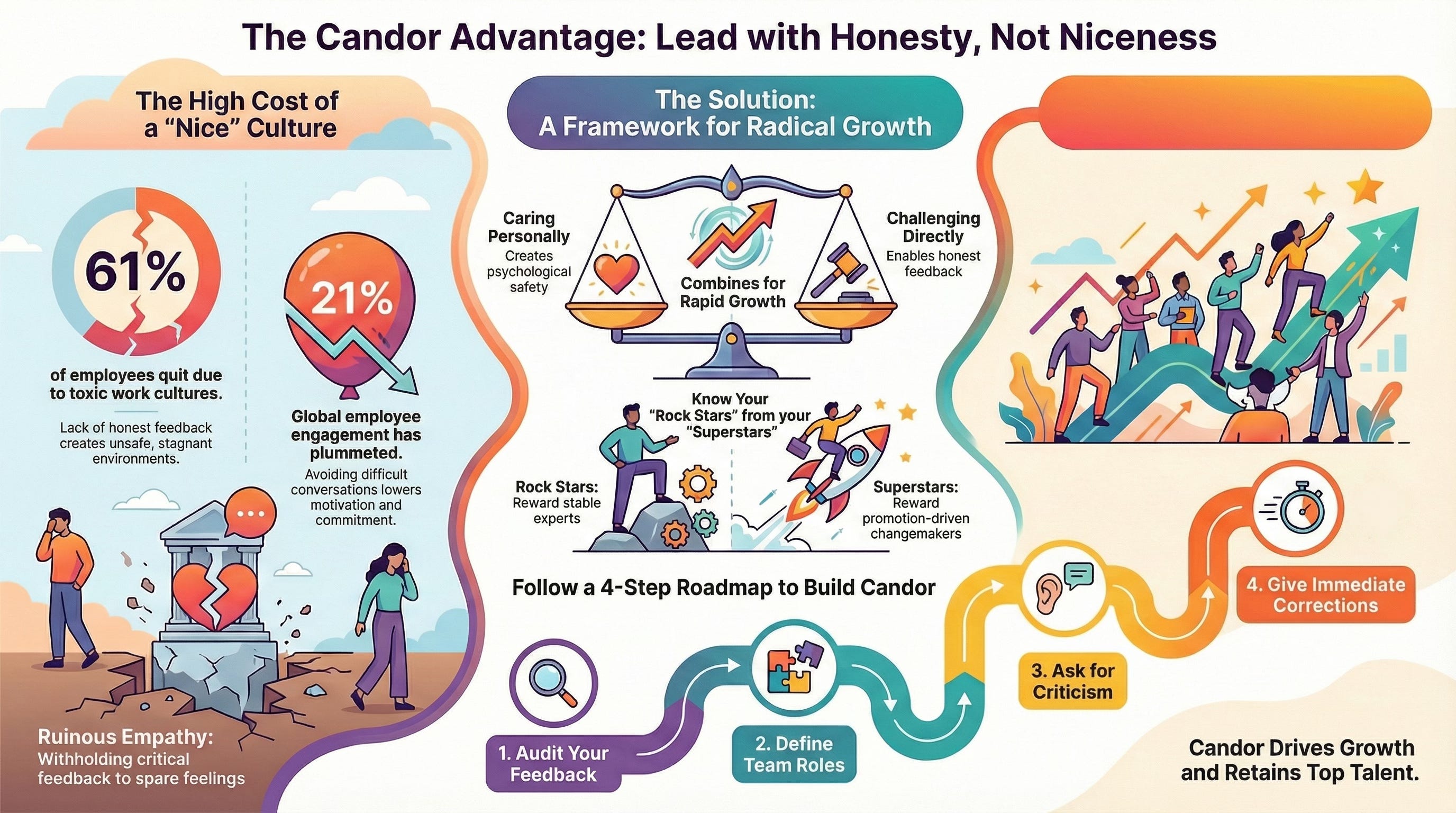
The Candor Advantage
Why The World’s Most Valuable Brands Run on “Tough Love”

Why This Matters Now - In an era where 61% of employees quit due to toxic cultures and global engagement has plummeted to 21%, the leaders who survive won’t be the “nicest”: they will be the most honest.
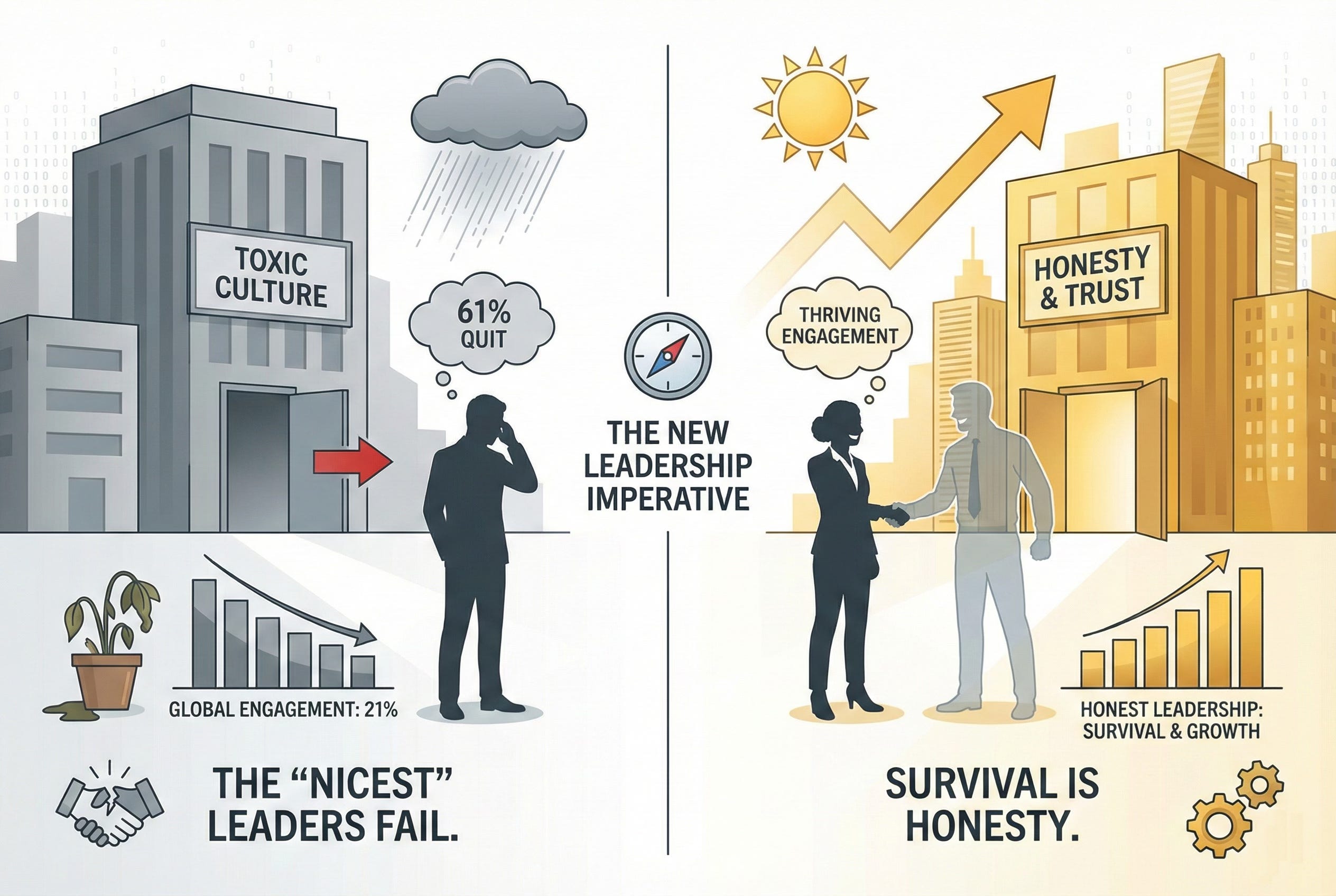
The modern entrepreneurial landscape is littered with the wreckage of “nice” companies. We have swung the pendulum so far away from the ruthless corporate raiders of the 80s that we have landed squarely in a crisis of silence. We are terrified of conflict. We sugarcoat feedback until it is unrecognizable. We promote “Rock Stars” into management roles they hate because we don’t know how else to reward them.
We call this empathy. But as the data shows, it is actually ruinous.
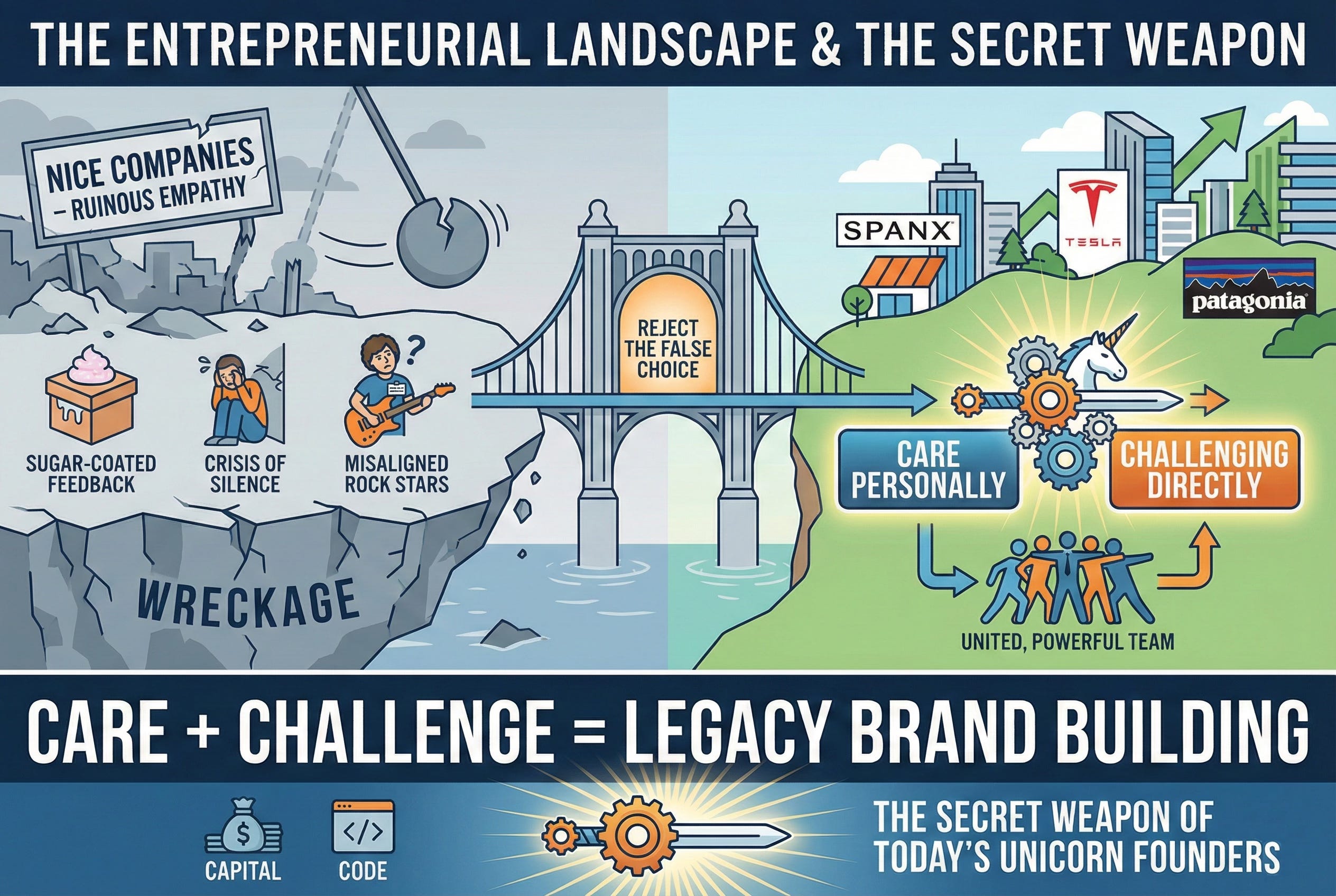
To build a legacy brand, like Spanx, Tesla, or Patagonia, you must reject the false choice between being a pushover and being a tyrant. The secret weapon of today’s unicorn founders is not just capital or code. It is the ability to Care Personally while simultaneously Challenging Directly.
The “Shark” Mindset: Why Politeness is Poison to Scale
When you watch Shark Tank, it is easy to misinterpret the feedback loop. We see Kevin O’Leary’s biting critiques and assume the “mean” approach wins. But look closer. The most successful Sharks, O’Leary included, are not operating from cruelty; they are operating from clarity.
O’Leary often notes that “ideas are a dime a dozen; execution is everything.” His refusal to entertain a bad business model is not a lack of care. It is the ultimate form of respect for the entrepreneur’s time. In the language of high-performance management, this is the “Challenge Directly” axis.
Contrast this with the “nice” manager who sees a fatal flaw in a pitch but says, “That’s interesting, let us think about it,” to avoid an awkward conversation. That manager has just wasted the founder’s runway.
Barbara Corcoran, another titan of the tank, embodies the resilience required to handle this level of candor. She famously states, “The bigmouth with less talent inherited the earth.” What she means is that those who can withstand the heat of direct challenges, and pivot instantly, win. Corcoran didn’t build a real estate empire by avoiding conflict; she built it by “expanding before she was ready” and fixing the problems that broke in real-time.
Watch how Barbara Corcoran reframes failure as the ultimate competitive advantage:
Corcoran explains why the ability to “fail well” is the only metric that matters for entrepreneurs scaling a business.
The Vulnerability Paradox: Bringing Your Whole Self to the Boardroom
Challenging directly only works if you have built a foundation of trust. Without trust, feedback feels like an attack. This is where the “Care Personally” dimension enters the equation, and no one operationalizes this better than Sara Blakely.
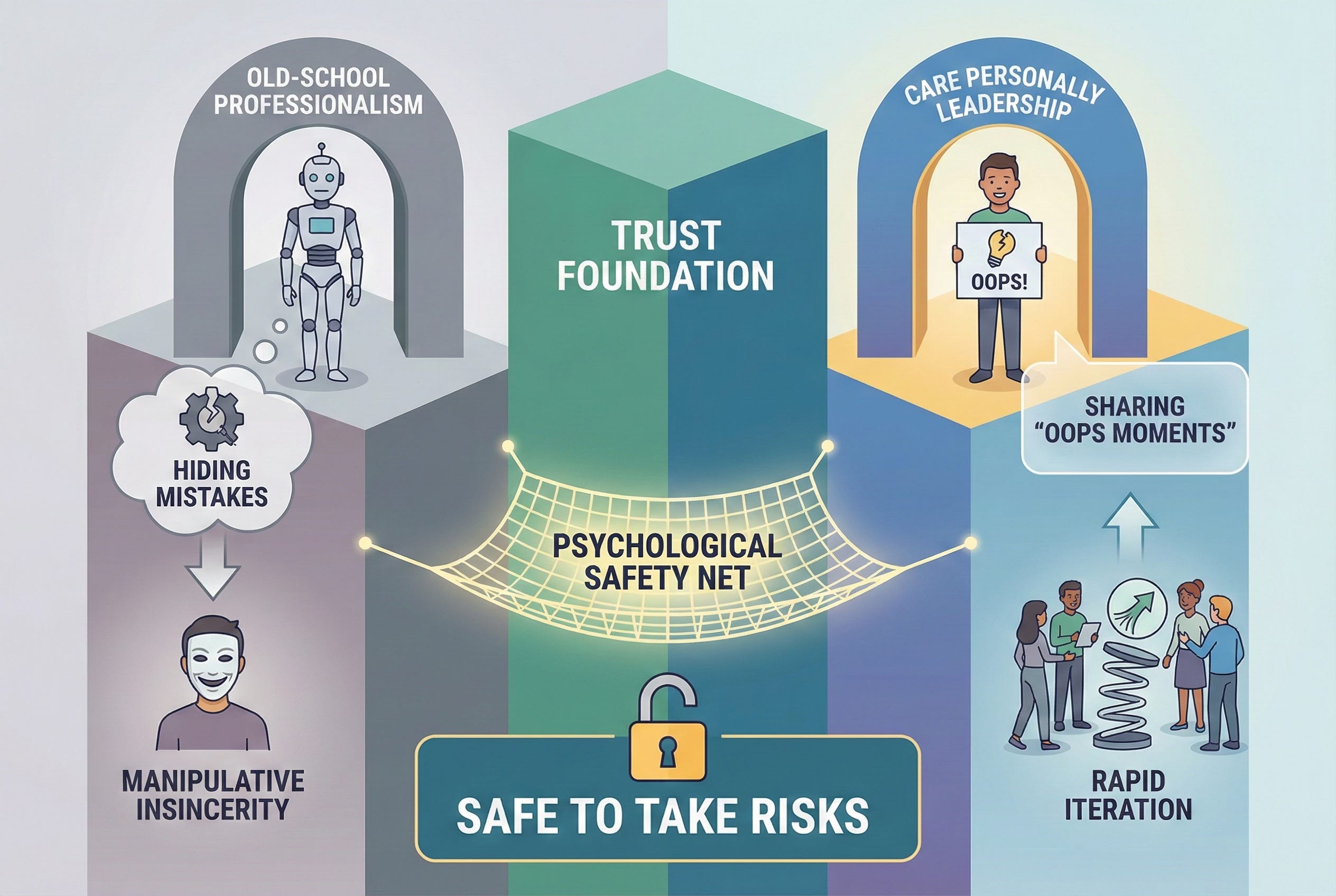
Blakely, the billionaire founder of Spanx, dismantled the old-school notion of “professionalism” that required leaders to act like robots. She regularly shares her “oops moments” with her company, normalizing failure as a byproduct of innovation. Her father used to ask her at the dinner table, “What did you fail at this week?” If she didn’t have an answer, he was disappointed.
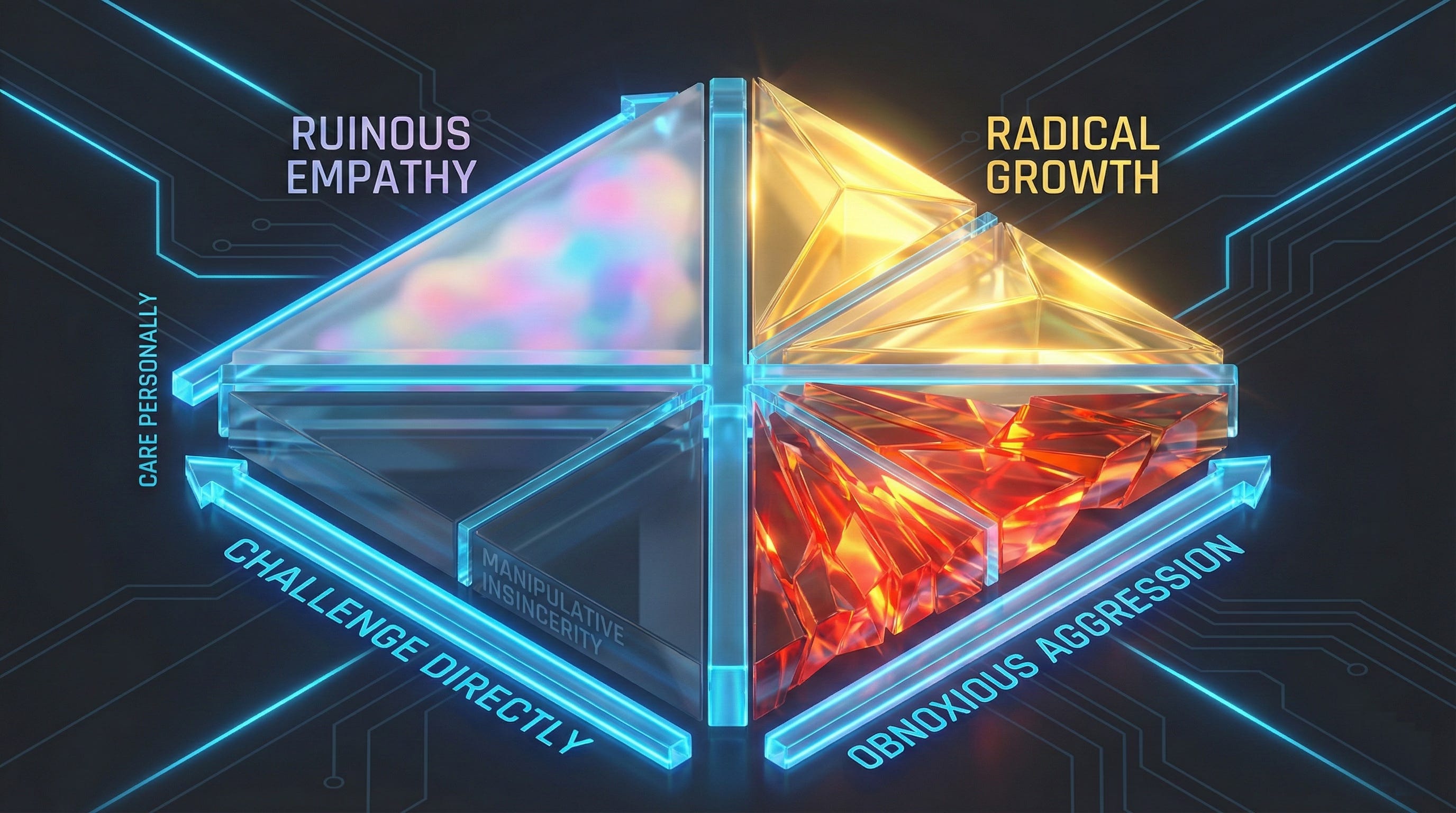
This leadership style creates a psychological safety net. When a leader admits, “I messed up,” it signals to the team that it is safe to take risks. It transforms the culture from one of Manipulative Insincerity (hiding mistakes to save face) to one of rapid iteration.
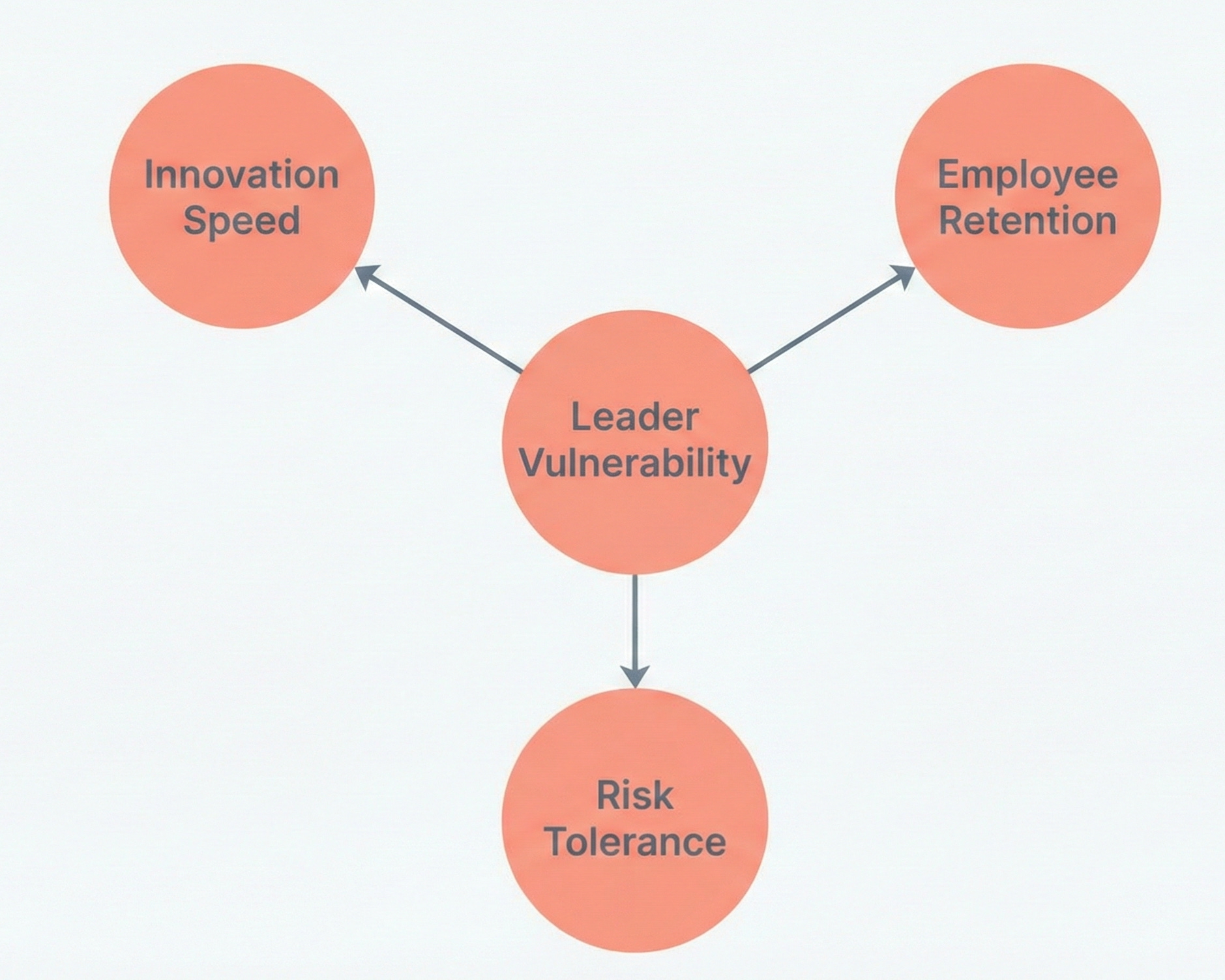
Whitney Wolfe Herd, founder of Bumble, applied a similar principle by publicly addressing her struggles with postpartum depression while running a public company. By bringing her “whole self” to work, she didn’t lose authority; she gained loyalty. In a market where retention is a war: mission-driven companies retain 40% more staff. This human-centric leadership is a moat that competitors cannot copy.
Watch Sara Blakely explain why “thinking small” is the key to scaling big: Spanx CEO Sara Blakely: Don’t Share Your Idea Too Soon
The Spanx founder breaks down why you should keep your big idea secret in the early days to protect it from “Ruinous Empathy.”
The “Rock Star” Fallacy: Stop Promoting Your Best People
One of the most dangerous traps for a growing company is the mishandling of talent. We tend to think every high performer wants to be a manager. This is false, and it leads to the “Peter Principle”: promoting people to their level of incompetence.
You need to distinguish between two types of high performers:
Superstars: These are your agents of change. They want the next promotion, the next challenge, the steep growth curve. They are like Elon Musk’s teams at SpaceX, driven by impossible deadlines and transformative goals.
Rock Stars: These are your forces of stability. They love their craft. They do not want to manage people; they want to be the best engineer, the best designer, or the best writer on the team.
The mistake most founders make is forcing a “Rock Star” onto a “Superstar” track. If you take your best coder and force them to manage a team of ten because that’s the only way to pay them more, you lose a great coder and gain a terrible manager.
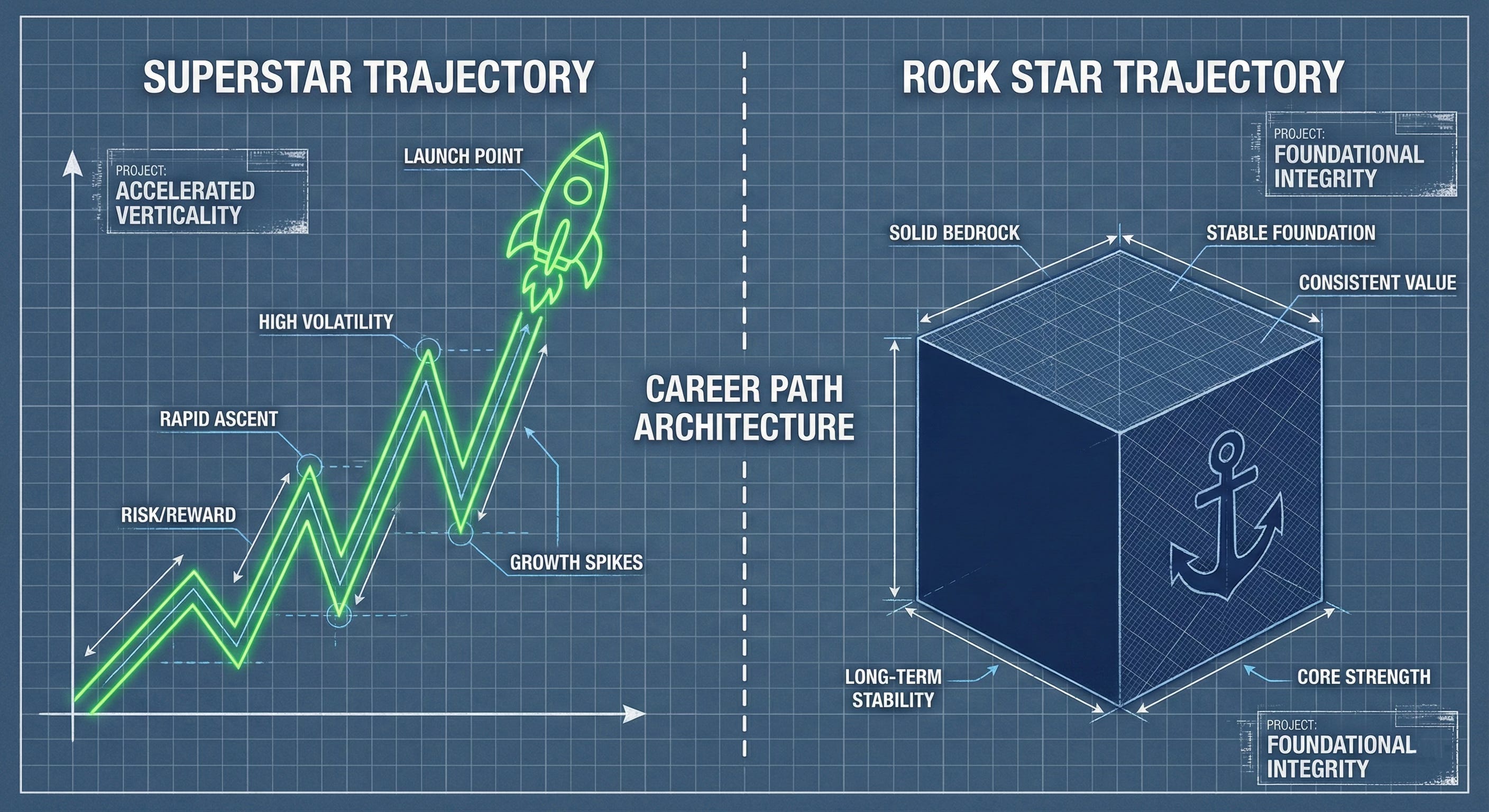
Patagonia is the master class in this distinction. Their “Let My People Go Surfing” philosophy allows employees to be “dirtbags” (people who are passionate about the outdoors first and business second). They don’t force a climber to become a VP of Finance to feel valued. They value the stability the climber brings to product testing. This respect for individual motivations is why Patagonia’s turnover is freakishly low compared to the industry average.
The Feedback Loop: Speed is Survival
If you are saving your feedback for the annual performance review, you have already failed. In the time it takes you to write that review, the market has shifted, and your competitor has shipped three updates.
The “Win Now” strategy employed by Nike’s recent leadership reshuffle emphasizes removing layers to get closer to the athlete (the customer). Speed requires candor. You cannot move fast if people are afraid to say, “This design isn’t working.”
Radical Candor happens in the 3-minute conversation between meetings, not the 3-hour HR review. It follows a simple order of operations: Criticize in private, praise in public.

Watch Mark Cuban’s approach to direct, fast-paced business management: Mark Cuban: The #1 Reason Why Most People Fail In Business
Mark Cuban breaks down the importance of effort and direct action over endless planning.
Your Breakthrough Roadmap
You don’t need to change your personality to change your results. You just need to change your habits. Here is your four-step plan to stop being “nice” and start being effective:
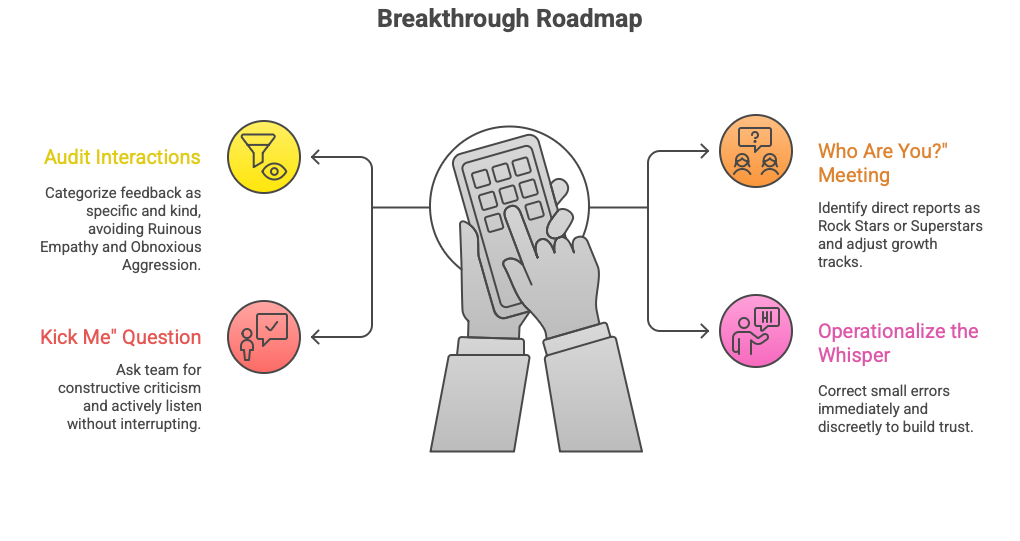
Audit Your Interactions: For the next week, categorize every piece of feedback you give. Was it specific? Was it kind? If you withheld a critique to spare feelings, mark it as Ruinous Empathy. If you criticized without showing you care, mark it as Obnoxious Aggression. Aim for the top right quadrant.
The “Who Are You?” Meeting: Sit down with your direct reports and identify them as Rock Stars or Superstars. Ask them: “Do you want a new challenge this year, or do you want to deepen your expertise in your current role?”Adjust their growth tracks accordingly.
The “Kick Me” Question: Before you dish out any more criticism, prove you can take it. Ask your team: “What is one thing I do that makes it harder for you to work with me?” Then, and this is the hard part, shut up and listen.
Operationalize the Whisper: When you see a “fly down” moment (a small error), do not wait. Whisper the correction immediately. It will be awkward for 30 seconds. It will build trust for a lifetime.