The Legacy Algorithm
Why Persistence, Consistency, and Gratitude Are the Only Metrics That Matter

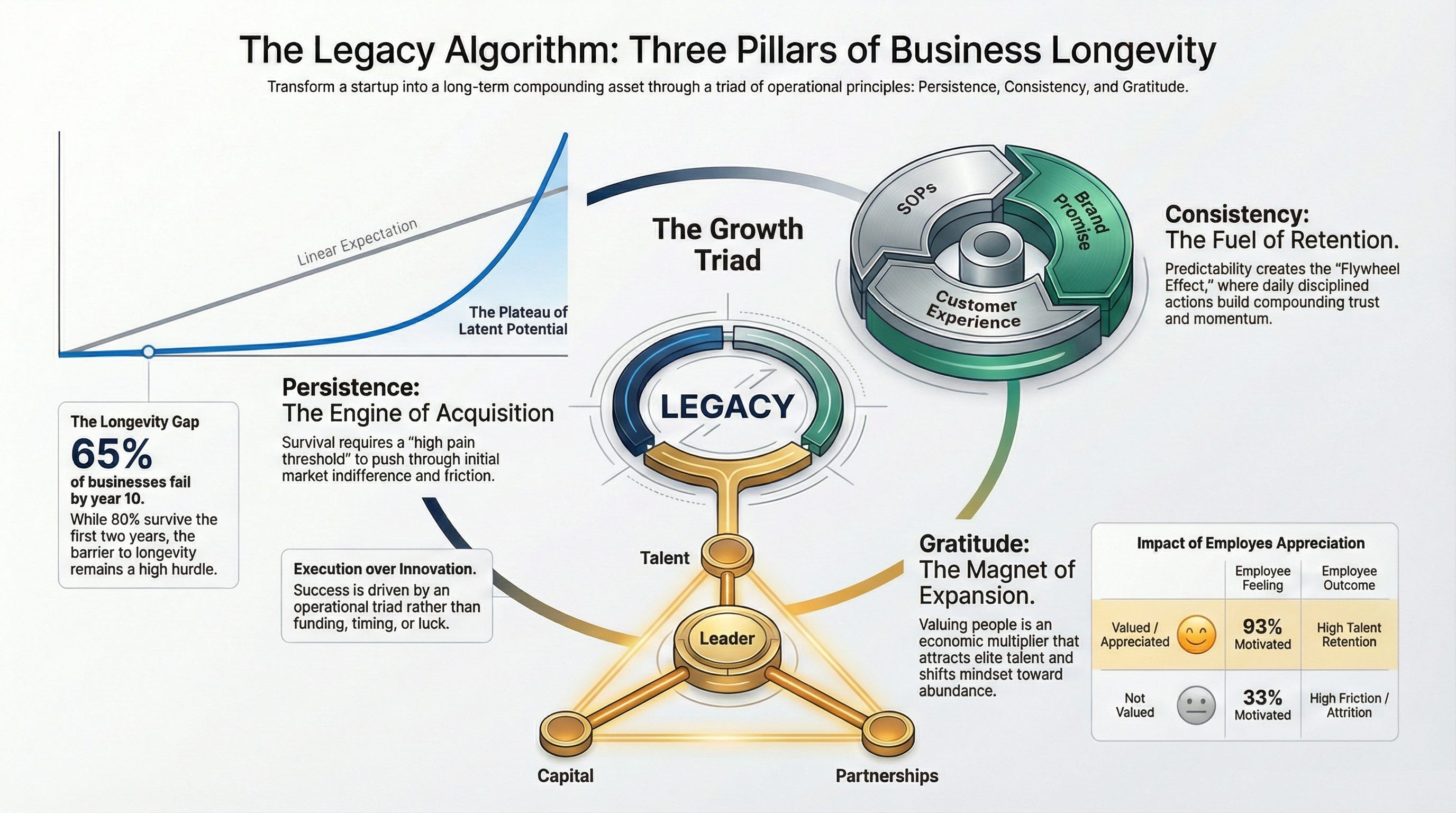
Why This Matters Now - The modern marketplace is littered with one-hit wonders who mistook a viral moment for a business model. True legacy is built on a specific, three-part architectural framework that turns fleeting success into a compounding asset.
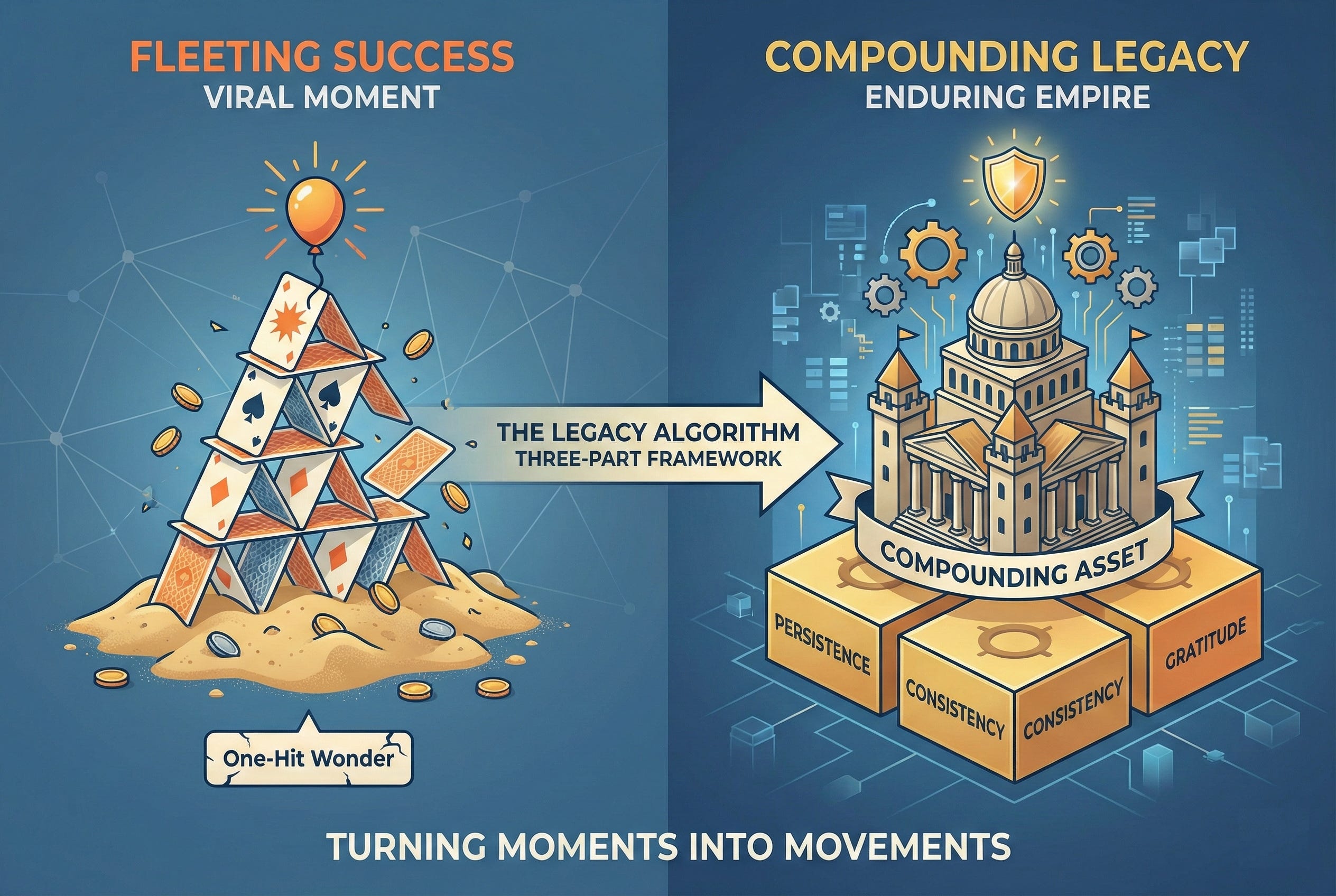
The signal-to-noise ratio in today’s business ecosystem has never been lower. While barriers to entry have dissolved, the barrier to longevity has calcified into an impenetrable wall for the unprepared. According to data from the U.S. Bureau of Labor Statistics updated in 2024, approximately 20% of new businesses fail within two years. By year ten, that number swells to nearly 65%. The differentiator between the minority who scale and the majority who stagnate isn’t funding, timing, or luck; it is adherence to a psychological and operational triad: Persistence to acquire, Consistency to retain, and Gratitude to expand.
This is the algorithm of high performance.
Phase 1: The Engine of Acquisition (Persistence)
“If you’re persistent, you’ll get it.”
In the nascent stages of enterprise, friction is the default state. The market is indifferent to your existence. Here, persistence is more than just “not giving up”; it is the strategic application of force against resistance.
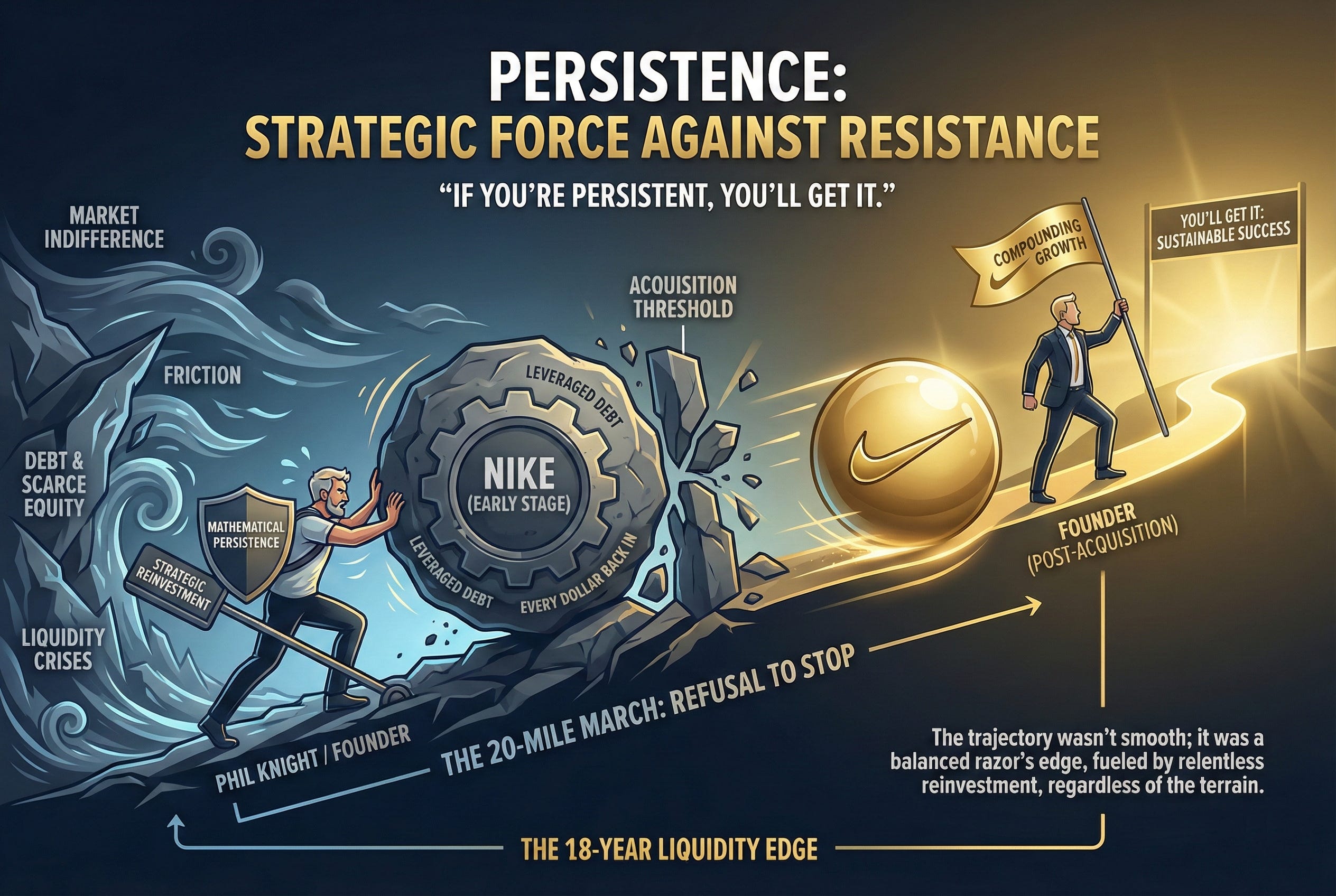
Consider the trajectory of Phil Knight, co-founder of Nike. As detailed in his memoir Shoe Dog, Knight didn’t build Nike on a smooth upward curve. For eighteen years, he built Nike while constantly managing liquidity crises. His persistence wasn’t emotional; it was mathematical. He persistently reinvested every dollar, utilizing debt to drive growth during a period when equity investors were limited. This aligns with the “20 Mile March” concept popularized by Jim Collins: the refusal to stop moving, regardless of the terrain.
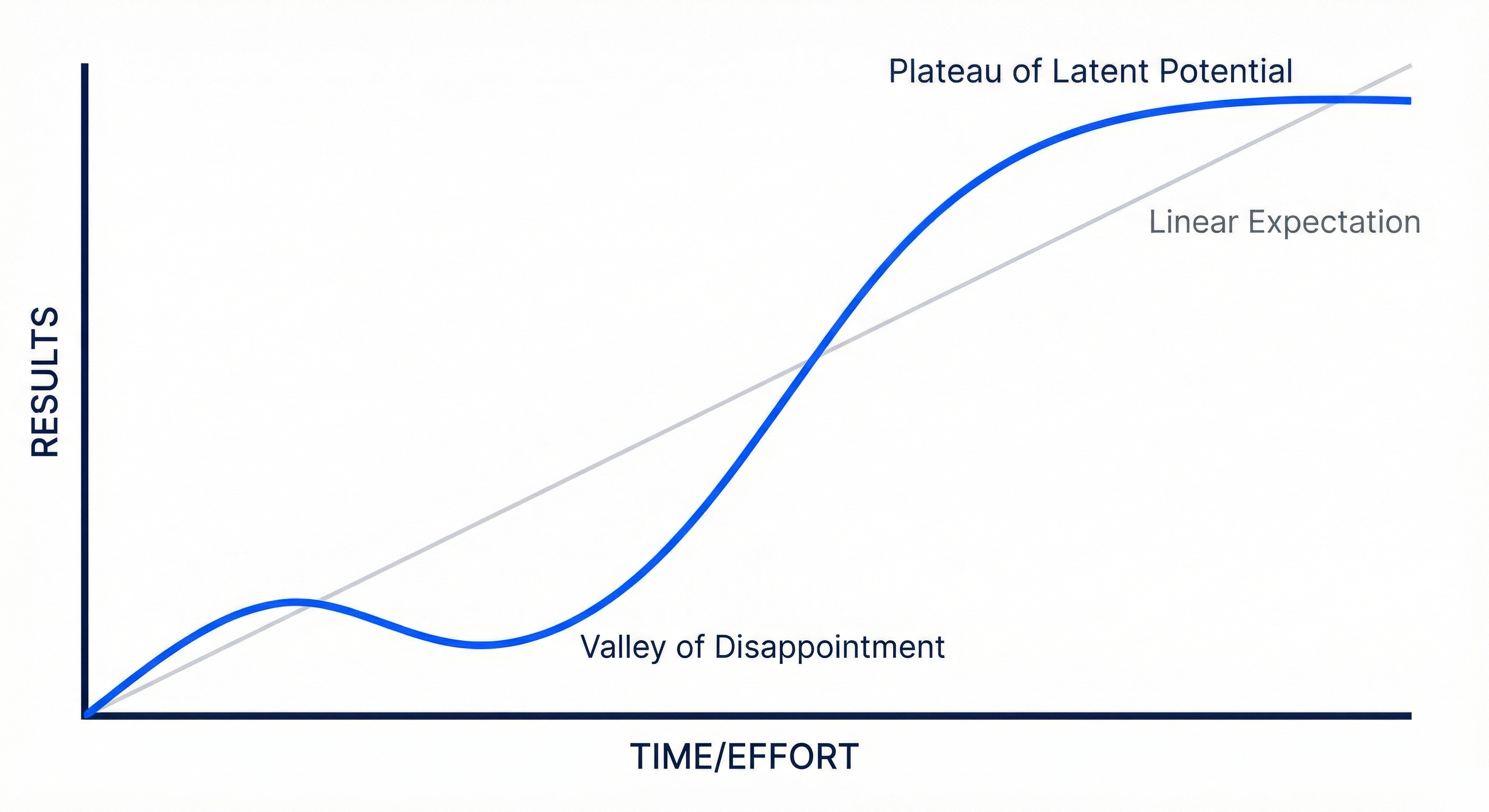
Elon Musk is a prime example of this extreme approach. During the “production hell” of the Tesla Model 3, the company was weeks away from bankruptcy. Musk didn’t pivot; he slept on the factory floor. This trait is “threshold persistence” (the ability to endure pain that would break a standard operator).
Watch how Elon Musk explains the “High Pain Threshold” required for entrepreneurial survival
Phase 2: The Fuel of Retention (Consistency)
“If you’re consistent, you’ll keep it.”
Acquisition is an act of hunting; retention is an act of farming. This is where the adrenaline of the launch fades and the discipline of the “boring middle” takes over. Consistency is the primary driver of trust. In a volatile economy, predictability is a premium asset.
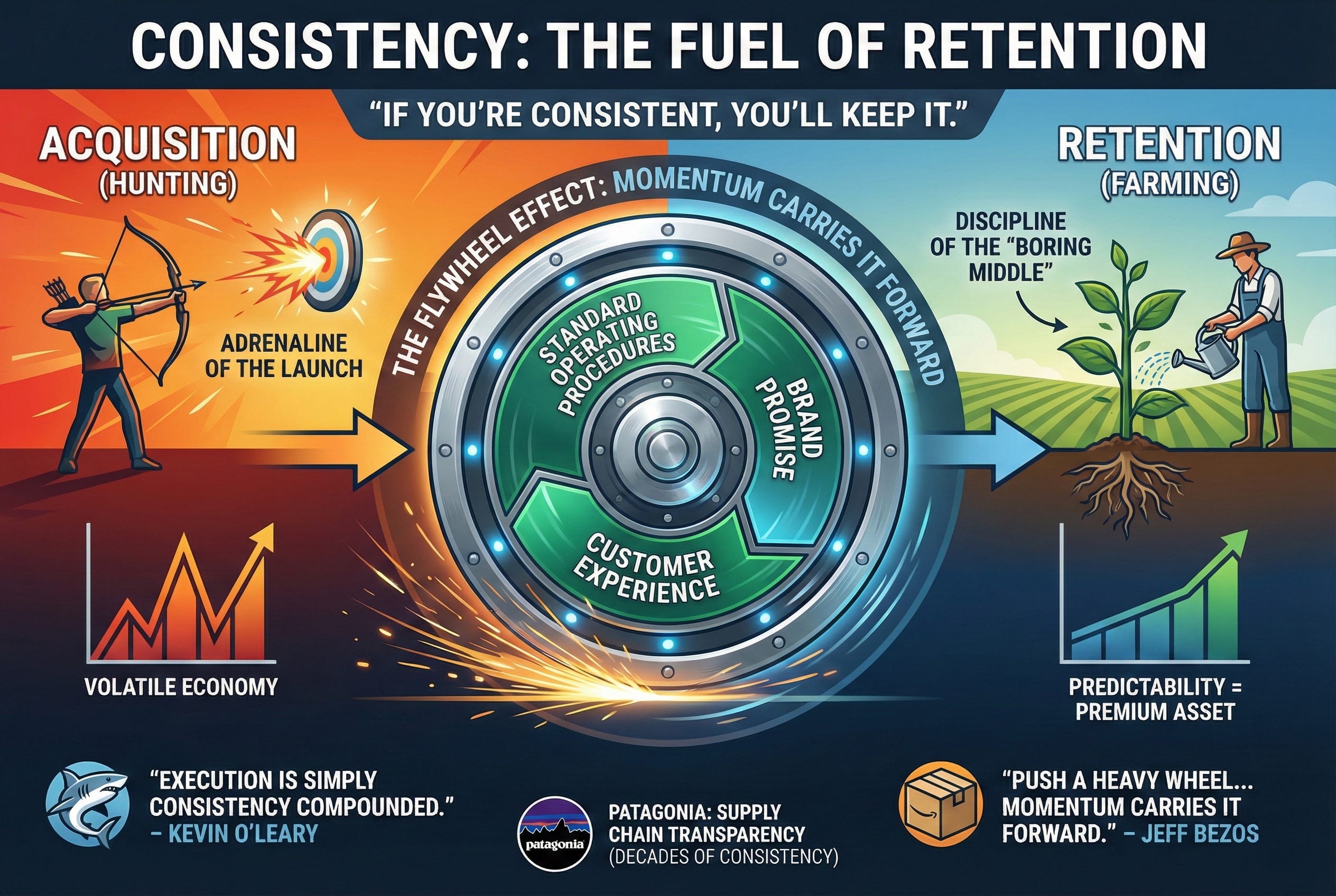
Kevin O’Leary, famously known as “Mr. Wonderful” on Shark Tank, often emphasizes that he invests in execution, not just ideas. Execution is simply consistency compounded. A brilliant product delivered late destroys brand equity faster than a mediocre product delivered reliably.
Global brands like Patagonia have codified this. Their commitment to supply chain transparency isn’t a marketing campaign; it is a consistent operational standard maintained for decades. This reliability creates a “Flywheel Effect.” As Amazon founder Jeff Bezos noted, you push a heavy wheel with great effort, but eventually, its momentum carries it forward. Consistency is the force that keeps the flywheel spinning.
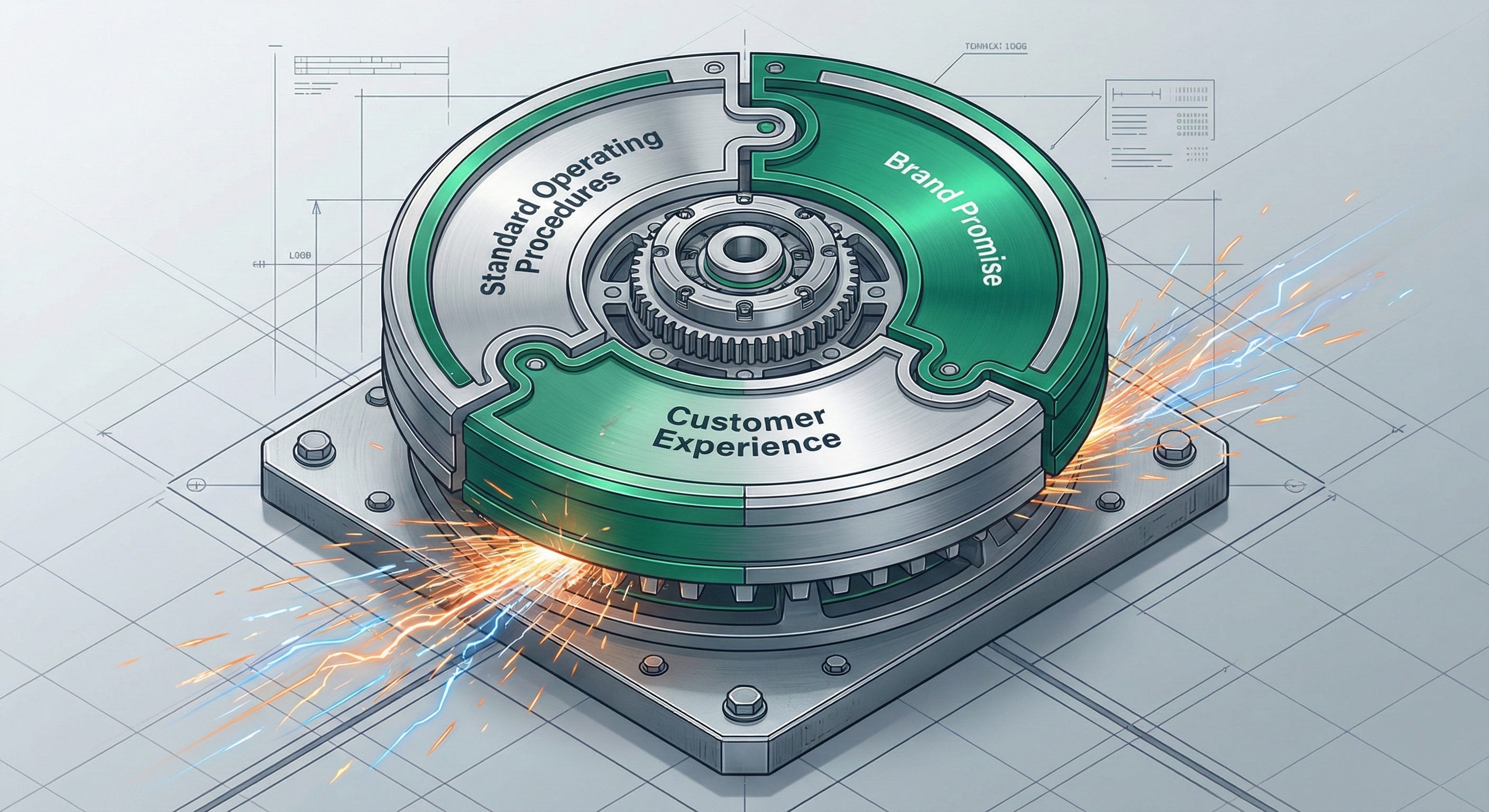
Sara Blakely, founder of Spanx, built a billion-dollar empire not by changing her product every month, but by consistently delivering on a singular promise: solving a specific problem for women. Her consistency in messaging and product quality turned a novelty item into a wardrobe staple.
Watch how Simon Sinek explains why Consistency beats Intensity every time
Phase 3: The Magnet of Expansion (Gratitude)
“If you’re grateful, you’ll attract more of it.”
This is the most underestimated leverage point in modern business. Gratitude is often dismissed as “soft skills” fluff, but the data suggests it is a significant economic multiplier. A 2023 study by the American Psychological Association found that 93% of employees who felt valued were motivated to do their best work, compared to only 33% of those who did not.
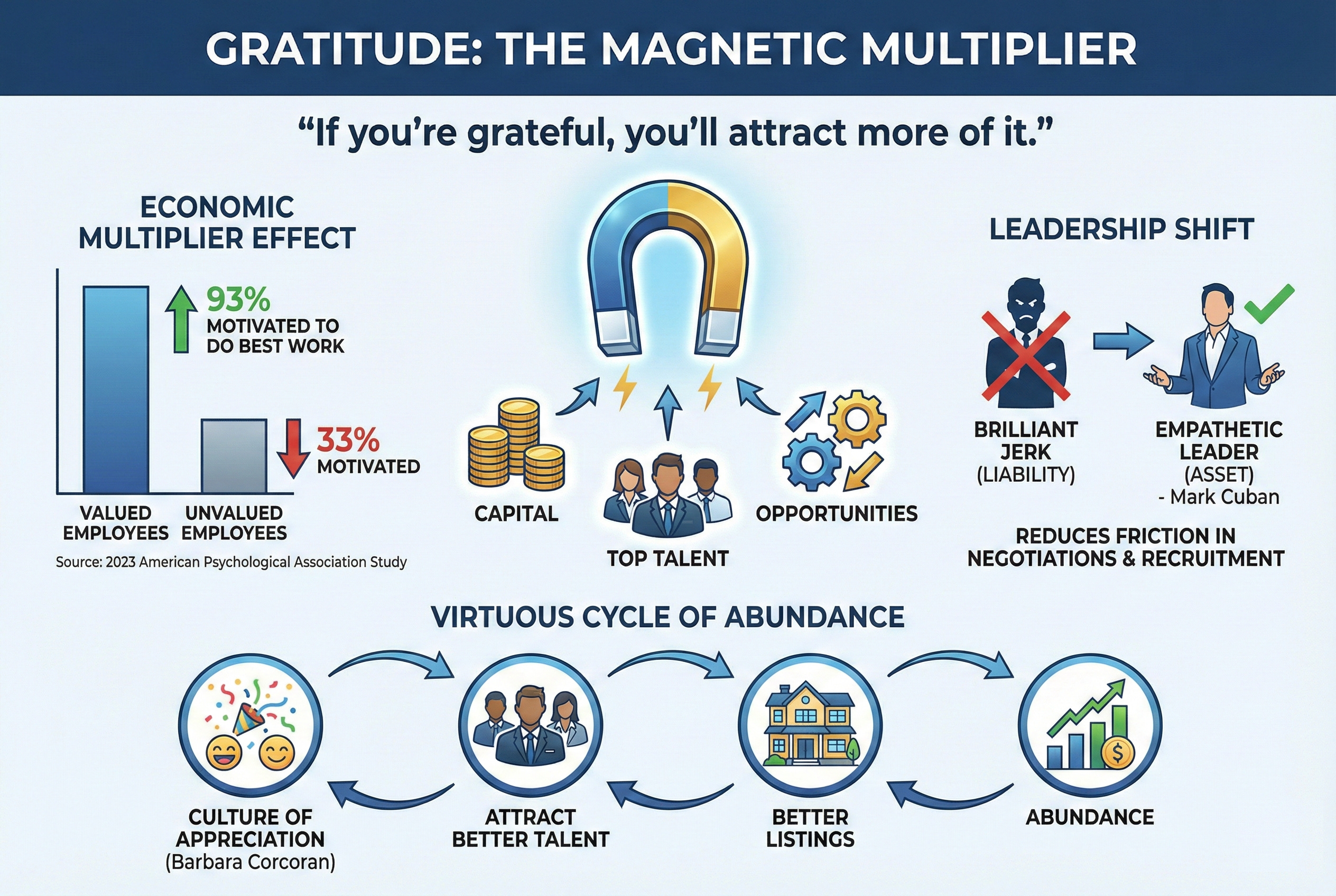
Gratitude acts as a magnet for talent and capital. High-performers do not stay in environments where they are commoditized.
Mark Cuban has frequently spoken about the shift in business culture. The “brilliant jerk” is a liability; the empathetic leader is an asset. When a leader operates from a place of gratitude (acknowledging the team, the customer, and the opportunity), they reduce friction in negotiations and recruitment.
Take Barbara Corcoran, real estate mogul and Shark Tank investor. She fostered a culture of fun and appreciation at The Corcoran Group. She didn’t just pay brokers; she celebrated them. Such practices attracted better talent, which attracted better listings, creating a virtuous cycle of abundance.
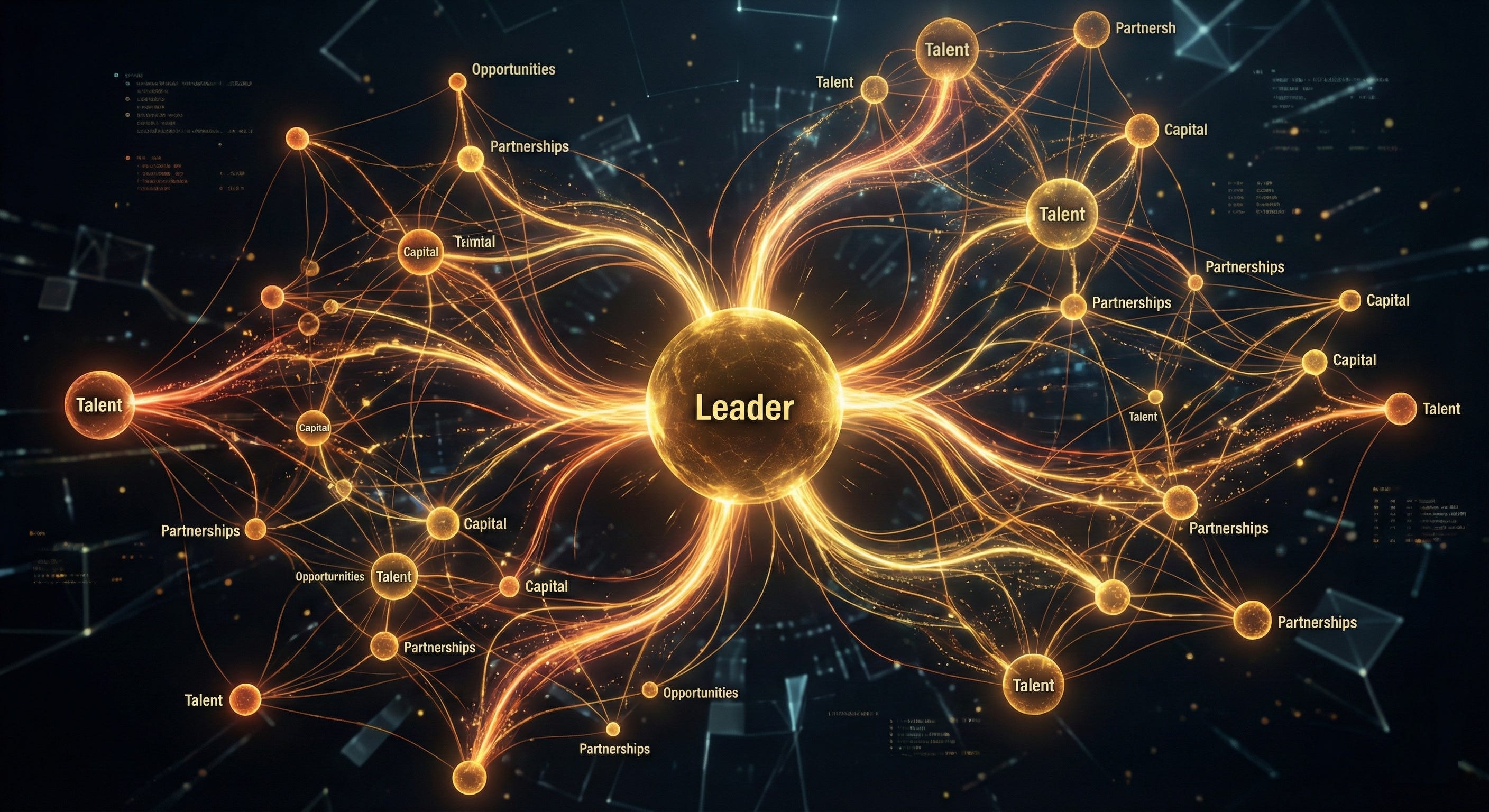
Gratitude also shifts the founder’s mindset from “scarcity” (guarding the pie) to “abundance” (growing the pie). This psychological shift is critical for spotting partnership opportunities that paranoid leaders miss.
Watch how Gary Vaynerchuk breaks down Gratitude as a business strategy
Your Breakthrough Roadmap
The triad is not a menu; it is a sequence. You cannot skip to gratitude without the persistence to build something worth being grateful for. You cannot maintain success without the consistency needed to secure it.
Here is your immediate execution plan:
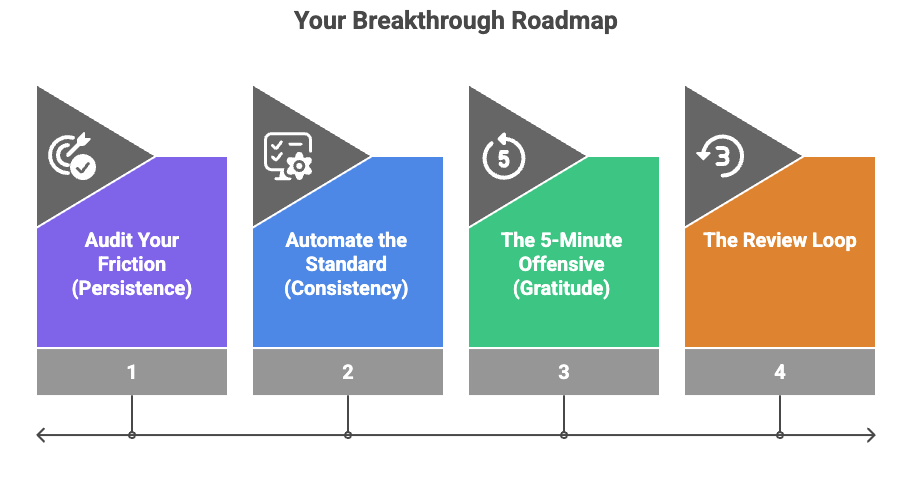
Audit Your Friction (Persistence): Identify the one metric where you have been accepting “no” as a final answer. Commit to a “100 Calls” strategy; do not pivot until you have hit a statistically significant volume of rejection.
Automate the Standard (Consistency): Select one core revenue-generating activity that relies on your willpower. Document the process, delegate it, or automate it. If it requires your mood to be “right” to happen, it is a liability.
The 5-Minute Offensive (Gratitude): Start every morning by sending three specific notes of appreciation to a team member, a client, or a supplier. This is not politeness; it is network activation.
The Review Loop: Every Friday, review your week against the triad. Did you push hard enough (Get It)? Did you show up reliably (Keep It)? Did you acknowledge the wins (Attract More)?
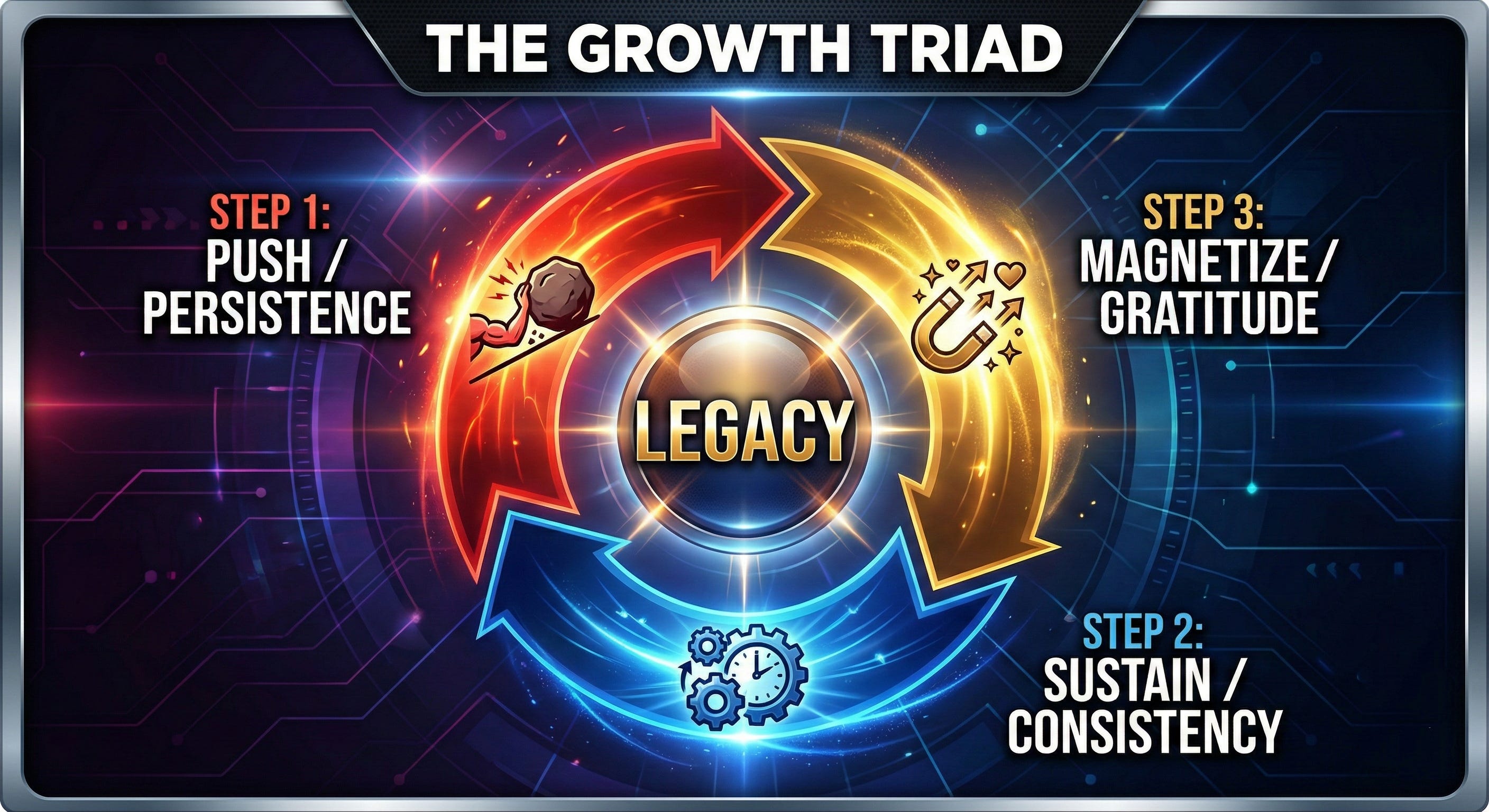
The market is waiting for you to stop dabbling and start building. Be the engine. Be the fuel. Be the magnet.