

The New Blueprint for Exponential Growth

WHY THIS MATTERS NOW - The traditional rulebook for building a business has been shredded. In its place is a new landscape of unprecedented opportunity, where agility, authenticity, and a refusal to accept the status quo are the ultimate currency for ambitious leaders ready to claim their legacy.

The entrepreneurial landscape is undergoing a seismic shift. The strategies that built the empires of the last decade are no longer sufficient for the speed and scale demanded by today’s market. We are entering an era where hyper-growth isn’t just about having a better product; it’s about constructing a business ecosystem that is inherently scalable, deeply connected to its customers, and resilient enough to thrive in constant flux.
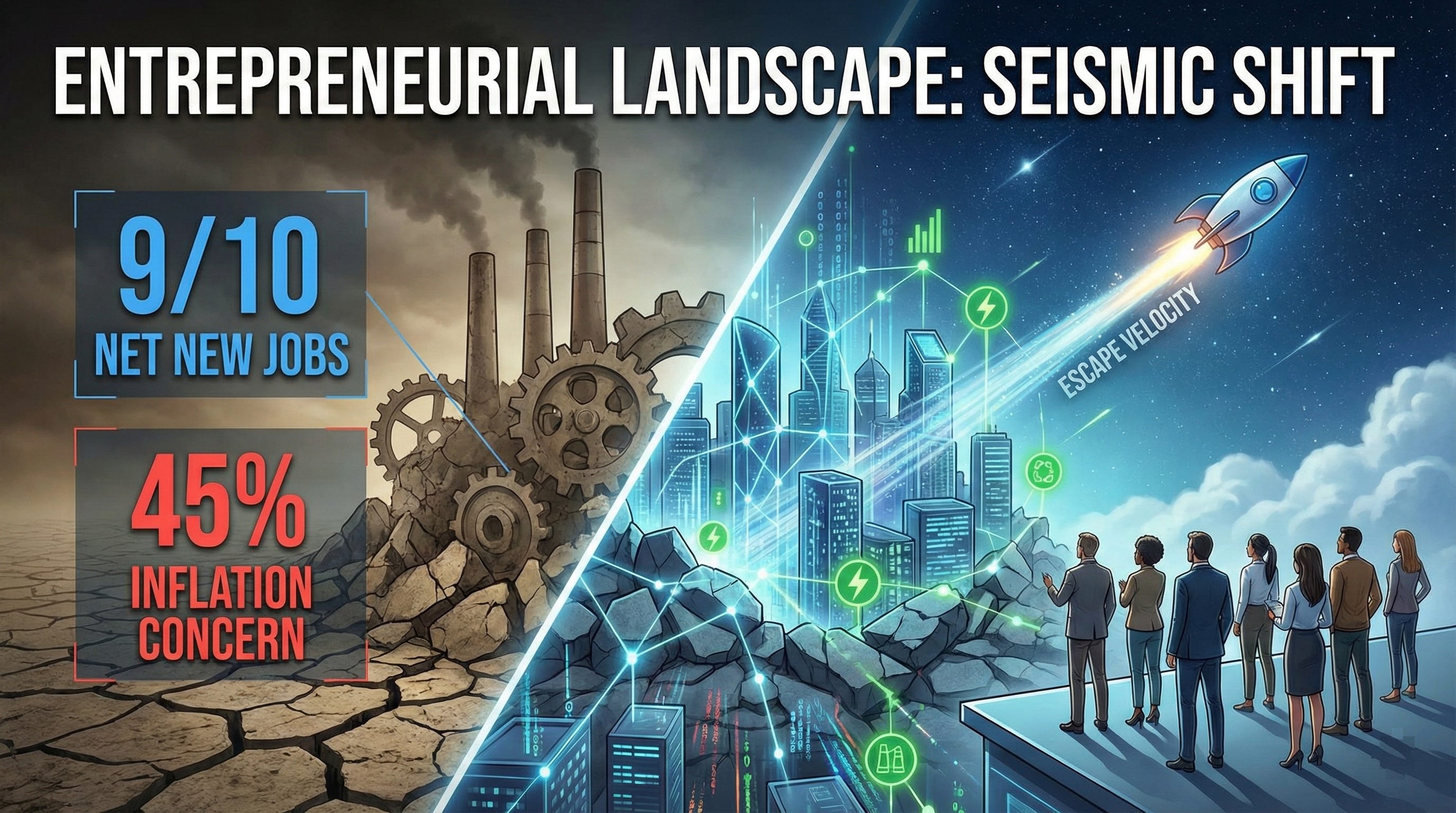
Consider the current environment. According to recent data, small businesses are driving job creation, responsible for nine out of 10 net new jobs between March 2023 and March 2024. Yet, challenges persist, with inflation remaining a top concern for 45% of small business owners. This dichotomy—immense opportunity coupled with significant headwinds—creates a specific environment where only the most strategic and adaptable leaders will succeed.
The path forward demands a radical rethink of foundational business principles. It requires moving beyond transactional relationships to build genuine connections, leveraging technology not just for efficiency but for creation, and fostering teams that are as invested in the vision as the founders themselves. This is not about incremental gains; it’s about achieving escape velocity.

Authenticity as a Scalable Strategy
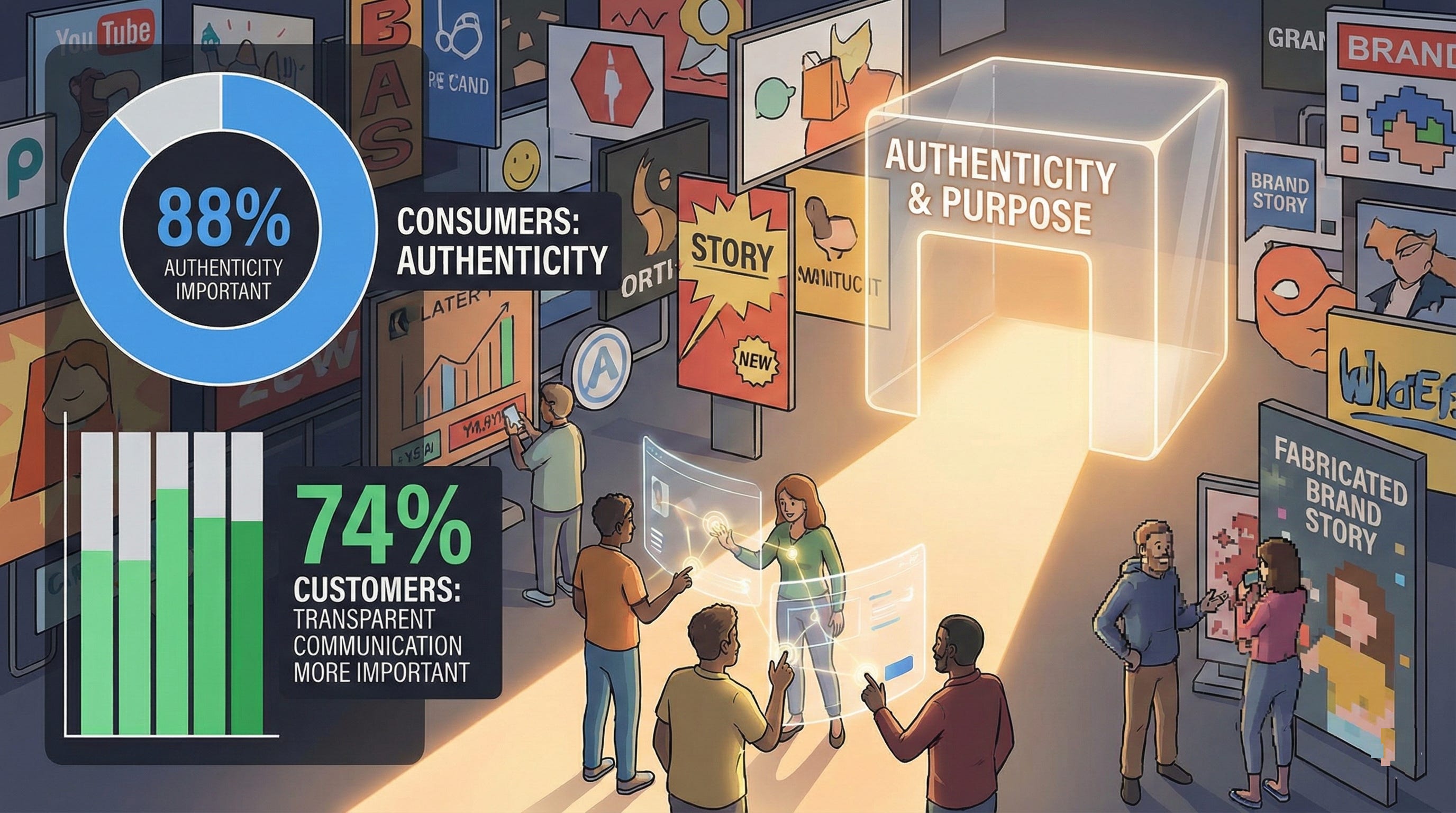
In a marketplace saturated with noise, authenticity has emerged as a powerful, scalable business strategy. Today’s consumers are incredibly discerning; they can spot a fabricated brand story from a mile away. The businesses that win are those that build their foundations on transparency, purpose, and a genuine connection with their audience.
Data supports this shift. A recent survey indicates that 88% of consumers say authenticity is important when deciding which brands to support. Furthermore, 74% of customers state that transparent communication is more important now than before the pandemic. This isn’t a fleeting trend; it’s a fundamental change in consumer behavior that intelligent entrepreneurs are leveraging to build deep, lasting loyalty.
Patagonia stands as a titan in this arena. Their business model doesn’t just accommodate sustainability; it is built upon it. By aligning every activity—from material sourcing to supply chain management—with their environmental objectives, they have created a value proposition that resonates deeply with their customer base. Their “Worn Wear” program, which encourages repairing and reusing products, might seem counterintuitive to a traditional sales model, but it reinforces trust and loyalty, ultimately driving long-term growth. They’ve proven that you can build a global powerhouse without compromising your core values.
Shark Tank investor Barbara Corcoran emphasizes the power of genuine connection in building a successful enterprise. She believes that relationships are everything in business and that your network is your true net worth. Her philosophy is rooted in consistent, authentic networking, not as a transactional chore, but as an ongoing process of cultivating meaningful relationships.
Watch how Barbara Corcoran leverages the power of authenticity and networking to build a real estate empire.
Reimagining the Customer Ecosystem
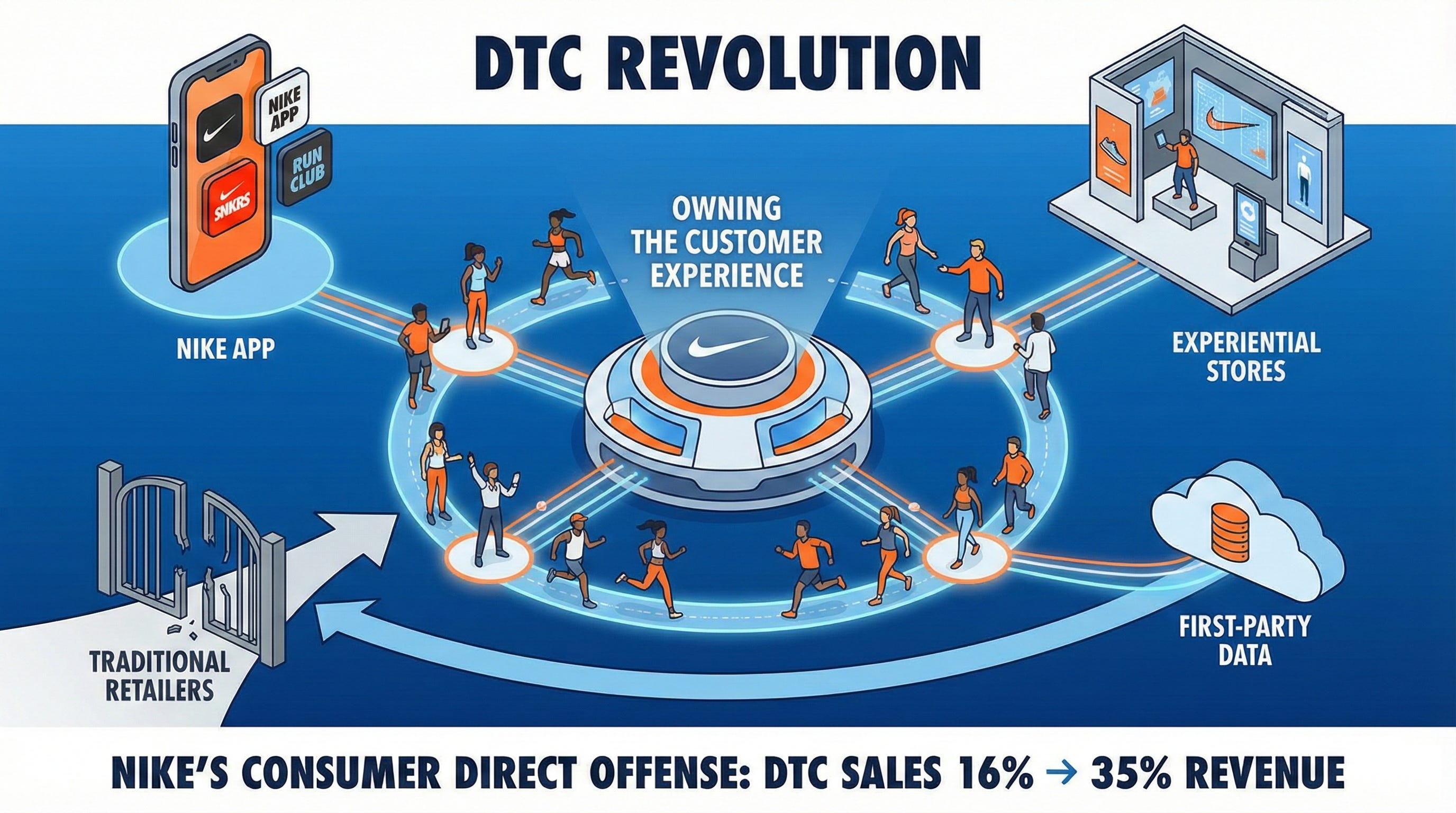
The most successful modern companies aren’t just selling products; they are building immersive ecosystems that own the entire customer experience. This direct-to-consumer (DTC) revolution allows brands to bypass traditional gatekeepers, control their narrative, and gather invaluable first-party data to continuously refine their offerings.
Nike’s strategic pivot to a Consumer Direct Offense offers a masterclass in this approach. By aggressively growing their DTC sales—which have seen a significant increase from 16% to 35% of brand revenue since 2011—Nike has taken control of how their brand is presented. They are building an ecosystem of digital apps and experiential stores that create a “sticky” experience, fostering a deeper connection with athletes and consumers globally. This strategy isn’t without its challenges, but the long-term vision of owning the customer relationship is a powerful driver of future value.
Elon Musk’s strategy with Tesla is another prime example of ecosystem building. From the beginning, Tesla didn’t just build an electric car; they built a new paradigm for personal transportation. By bypassing the traditional dealership model and selling directly to consumers, they gained unprecedented control over pricing, service, and the overall brand experience. This approach, combined with the development of their own Supercharger network, created a seamless ecosystem that addressed the primary pain points of early EV adoption.
Watch Elon Musk discuss the strategic convergence of his companies, opening new possibilities for Tesla and beyond.
The Entrepreneurial Mindset: Grit and Vision
Behind every explosive growth story is a leader with an unshakable mindset. It’s a unique blend of visionary thinking, relentless grit, and the courage to embrace failure as a necessary stepping stone to success. This isn’t about blind optimism; it’s about a calculated resilience that allows you to navigate the inevitable storms of building a business.

Sara Blakely, founder of Spanx, exemplifies this mindset. Starting with just $5,000 and a pair of scissors, she built a billion-dollar empire by solving a personal problem that resonated with millions of women. Her journey is a testament to the power of starting small, thinking big, and scaling fast. Blakely embraces the word “no,” viewing it not as a rejection but as an indicator that she’s innovating and disrupting the status quo. Her advice to entrepreneurs is to build their “courage muscle” by constantly facing their fears and to never underestimate the power of a simple, well-executed idea.
See Sara Blakely share her top rules for success, including her philosophy on embracing failure and trusting your intuition.
Mark Cuban, billionaire investor and Dallas Mavericks owner, is a vocal advocate for the “grind.” His advice is brutally honest: there are no shortcuts. Success comes to those who are willing to outwork and out-hustle the competition. Cuban emphasizes that the foundation of entrepreneurship is problem-solving and that the best way to start is with as little money as possible, leveraging your skills and effort over outside capital. He believes that the power of being “broke” is that you have nothing to lose, which fuels a relentless drive to succeed.
Listen to Mark Cuban’s direct advice on the necessity of hard work and grinding to build a successful business.
Building a High-Performance Culture
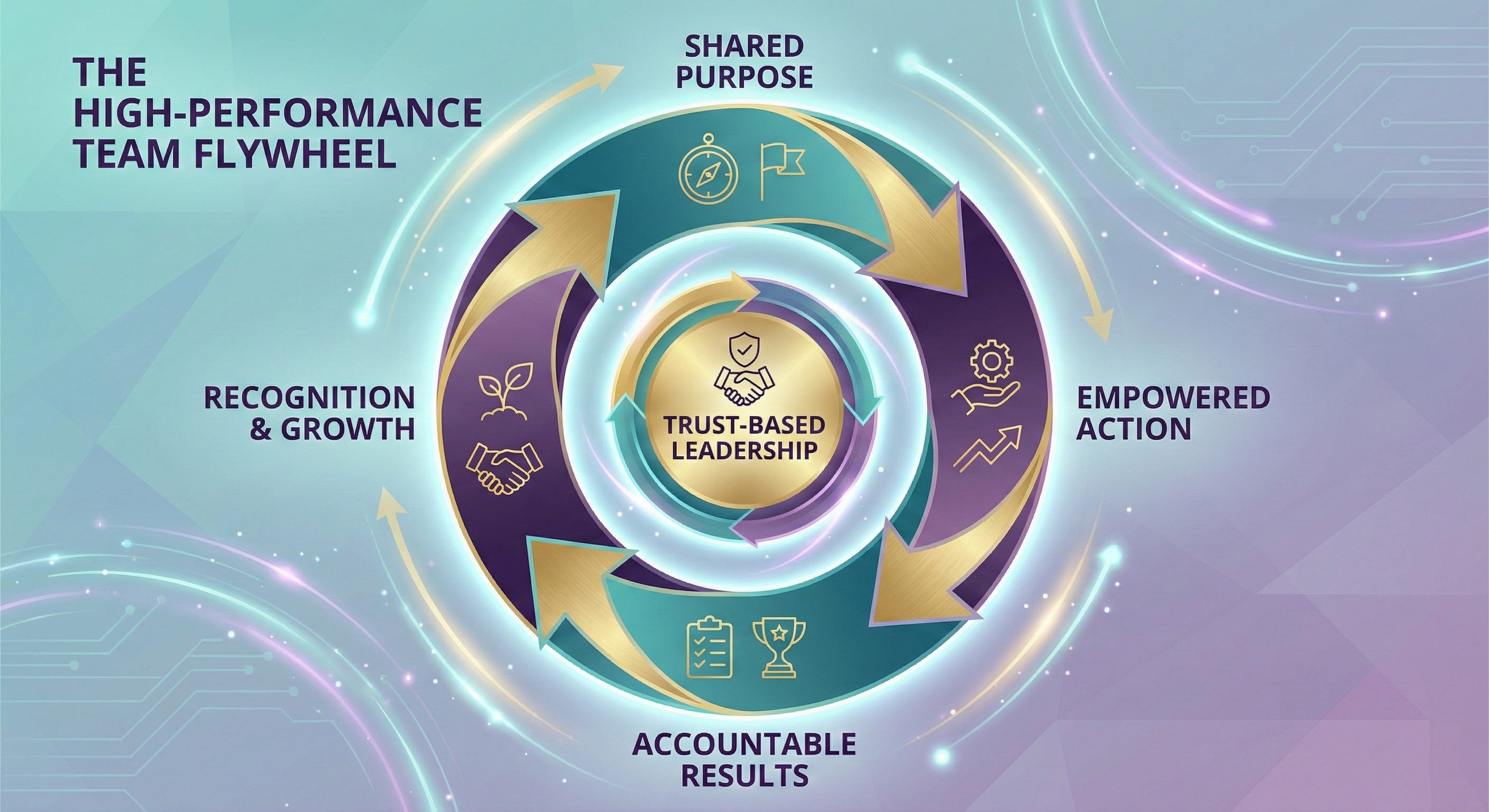
No entrepreneur can build a legacy alone. The ability to attract, retain, and inspire a world-class team is arguably the most critical skill for scaling a business. A high-performance culture isn’t about free lunches or ping-pong tables; it’s about creating an environment of trust, accountability, and shared purpose where every team member feels valued and empowered to do their best work.
Barbara Corcoran, famous for her role on Shark Tank and for building The Corcoran Group into a real estate powerhouse, has a simple but profound principle for leadership: the boss works for the employees. Her philosophy is rooted in asking her team, “What can I do for you?” and then taking action to help them succeed. By selflessly serving her people and helping them advance, she builds undeniable loyalty and a strong, connected team that drives the business forward. This people-first approach is a powerful counter-narrative to the often cutthroat world of business, proving that empathy and support can be the bedrock of a high-performing organization.
YOUR BREAKTHROUGH ROADMAP
The opportunities before you are immense, but they require decisive, strategic action. Here is a four-step plan to take the insights from this article and apply them immediately to your business.
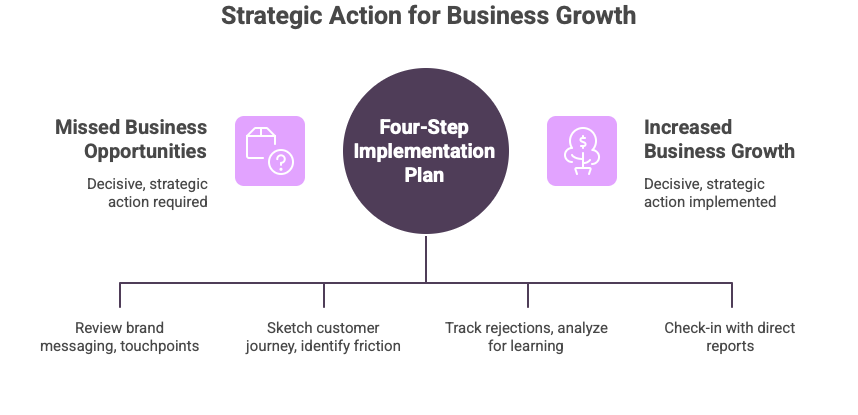
Conduct an Authenticity Audit: Review your brand’s messaging and customer touchpoints. Are you being transparent? Is your purpose clear? Identify one area where you can increase authenticity—whether it’s behind-the-scenes content, honest communication about challenges, or a clearer articulation of your values—and implement a change within the next 30 days.
Map Your Customer Ecosystem: Sketch out the entire journey a customer takes with your brand, from discovery to post-purchase. Identify points of friction where you rely on third-parties. Develop a strategy to take more direct ownership of one key touchpoint to improve the customer experience and gather better data.
Define Your “No” Strategy: Like Sara Blakely, reframe your relationship with rejection. For the next week, track every “no” you receive. Instead of seeing it as a failure, analyze it. What can you learn? Is it a sign you’re pushing boundaries? Use this data to refine your pitch or product, turning rejection into a tool for iteration.
Implement a “Service-First” Leadership Action: Inspired by Barbara Corcoran, schedule a 15-minute check-in with each of your direct reports over the next two weeks. Ask them one simple question: “What one thing can I do to make your job easier or help you achieve your goals?” Then, commit to taking one concrete action based on their feedback.