

Why Startups Don’t Die From Lack of Attention: They Die From Lack of Relevance

You are not losing because your product is inferior. You are losing because your message is too broad. In a market where attention is expensive and patience is short, vagueness is no longer just a marketing flaw: it is a runway problem.

Most marketing fails for the same reason inferior products fail: it tries to please people who were never going to buy.
In the early stages of a startup, founders often confuse attention with demand. They see rising view counts and LinkedIn impressions as signs of momentum, while the sales pipeline remains stagnant. This is the cost of broad-reach branding. While the last decade’s playbook prioritized buying top-of-funnel awareness at scale, the current economy has made that strategy prohibitively expensive for most.
Alex Hormozi | The #1 Business Strategy You Need in 2026

According to CB Insights, the leading cause of startup failure remains a lack of market need. But often, the need exists. What fails is the translation. The right buyer never realizes the product is for them because the message is too diluted to cut through the noise.
The Shift from Fame to Intent
The digital landscape has shifted from a broadcast model to an interest-based graph. Platforms no longer prioritize who has the most followers; they prioritize the relevance of the specific content to the user’s immediate context.
Alex Hormozi’s “Clips” channel strategy illustrates this shift. By supplementing his broad-reach brand with short, single-topic clips pulled from longer conversations, he stopped chasing general fame and started capturing specific intent. He isn’t pitching “success” to a million people; he is providing a tactical diagnosis for an agency owner searching for a specific hiring solution.
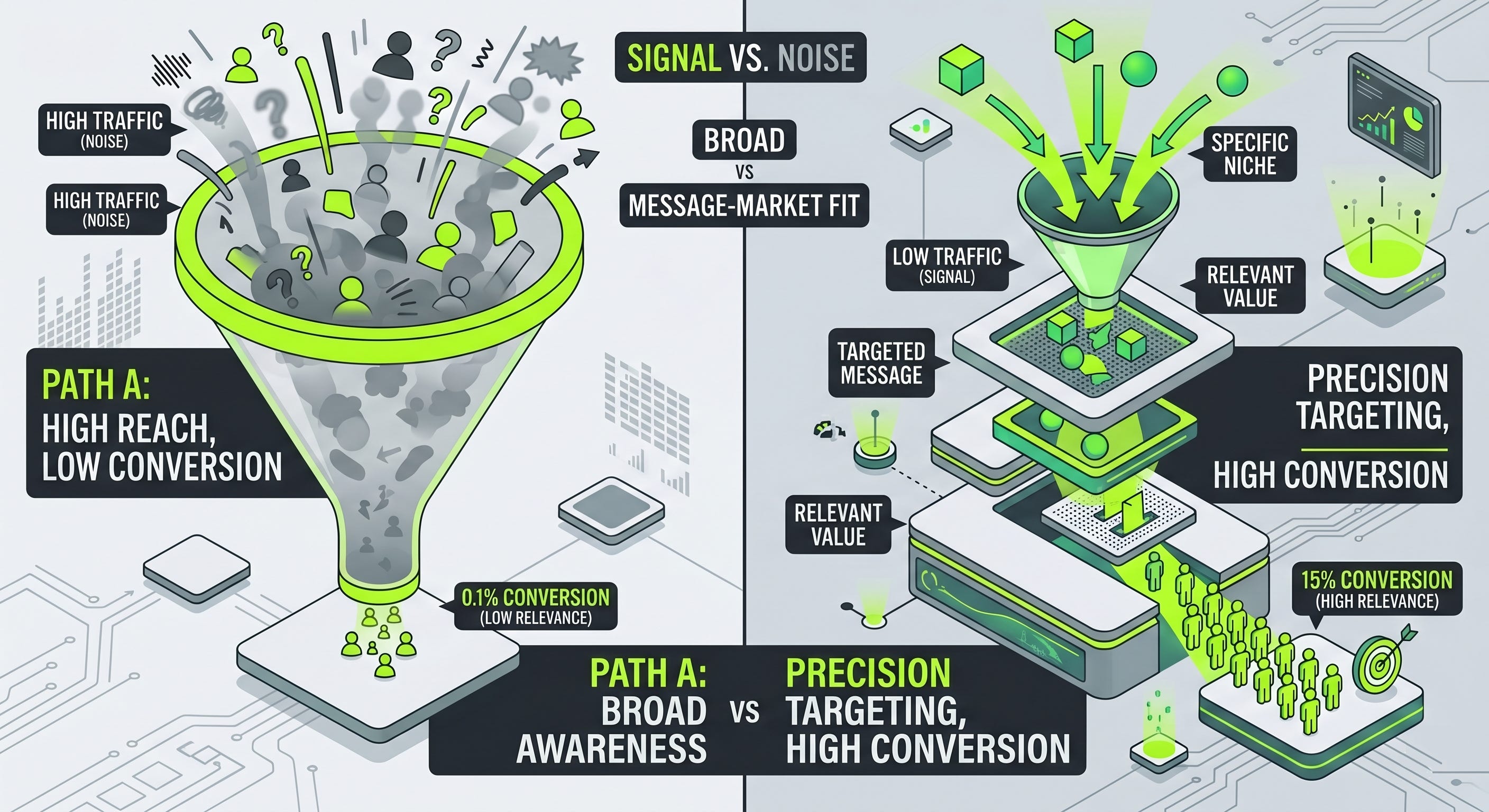
This isn’t about content volume. It is about the transition from Product-Market Fit to Message-Market Fit.
Product-market fit means people want what you built. Message-market fit means the right people instantly recognize that it was built for them.
The Efficiency of the Niche
For a founder with limited runway, broad awareness is a liability. You need to capture demand before you can afford to build a brand.
We see this in companies that outperformed their category by narrowing their aperture. TestGorilla bypassed the general “HR software” noise by focusing on high-intent, role-specific keywords. By selling the exact solution for a “Python developer test” rather than “better hiring,” they achieved a CAC payback period—reported at approximately 80 days in their early growth phase—that outperformed nearly every generalist in the space.
Product-Led Growth Strategy, Metrics, and Execution Case Studies
Similarly, Playvox focused their message entirely on HR-tech specific pain points for call centers. By ignoring 90% of the customer service market, they captured the remaining 10% with far greater efficiency than competitors with five times their budget. They realized a truth many founders fear: startups die from weak relevance, not weak fame.
Demand Capture in a Self-Service World
The stakes of this shift are high. According to the 6sense 2024 B2B Buyer Report, 84% of buyers have already established their “day one” vendor list before ever engaging with a salesperson. If your landing page, your content, and your ads are written to be “accessible” to a general audience, you are effectively invisible to the high-intent buyer who is looking for a specialist.
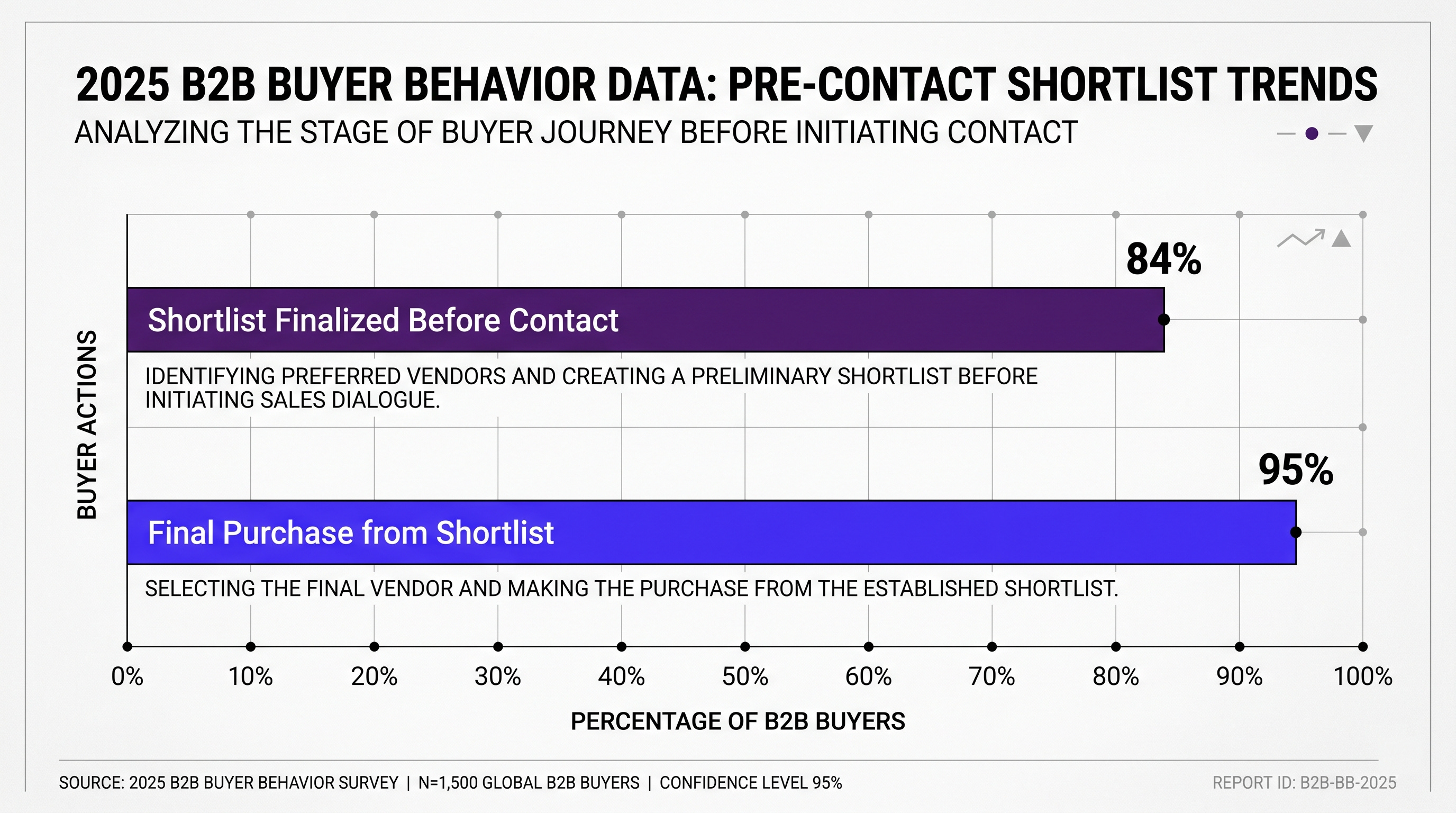
When you speak to everyone, you weaken the signal that helps the right buyer find you. But when you provide a specific diagnosis for a specific problem, the platforms amplify that signal with surgical precision.
The High-Throughput Trap
As AI tools make it easier to produce content at scale, many teams are simply flooding the zone with generic noise. This only accelerates the burn. Census Bureau Business Formation Statistics show a record-high number of new startups entering the market, but the survival rate hasn’t followed suit. The companies that actually convert throughput into revenue are those that use technology to deepen their specialization, not to broaden their reach.
The goal is not to post more; the goal is to be more precise. A library of fifty specific answers to technical problems is a more valuable company asset than a viral video that attracts people who will never see your checkout page.
Your Breakthrough Roadmap
To stop the burn and start capturing intent, recalibrate your go-to-market strategy around these four operating principles:
Define Your “Negative ICP”: Identify who your product is not for. Use that list to strip every generic adjective from your website. If a visitor doesn’t immediately know if they are in the right or wrong place, you’ve already lost them.
Audit for “Micro-Pain”: Identify the three most specific, frustrating problems your product solves in the first ten minutes of use. Build your messaging around these “Aha” moments, not your long-term vision.
Verticalize Your Vocabulary: If you serve two different industries, you need two different sets of content. A logistics manager and a hospital administrator do not have the same problems; don’t force them to use the same words.
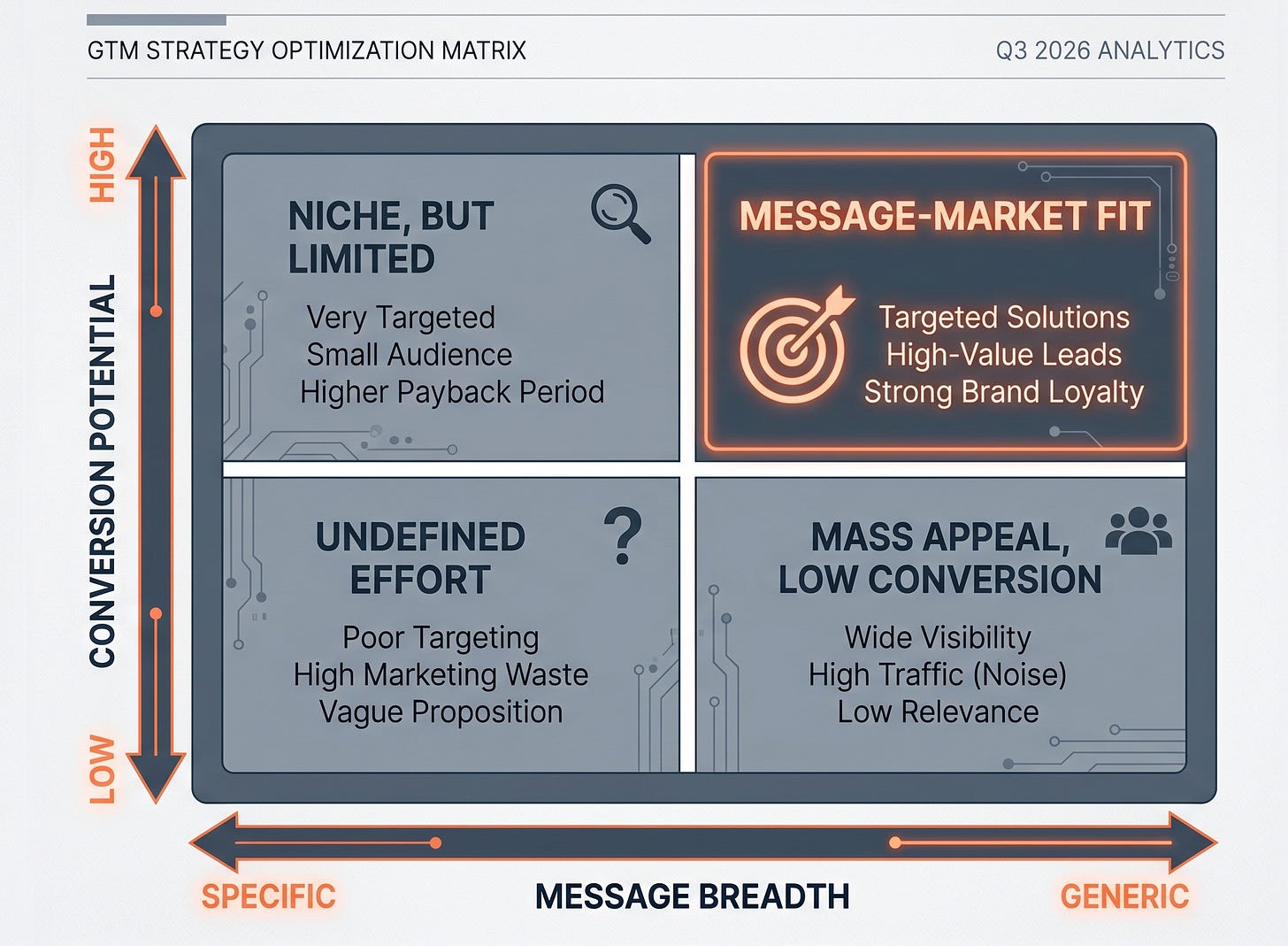
Measure Payback, Not Impressions: If a channel is bringing in views but the leads have an unsustainable payback period, kill it. Reallocate that budget to the niche, “boring” channels that deliver faster returns.
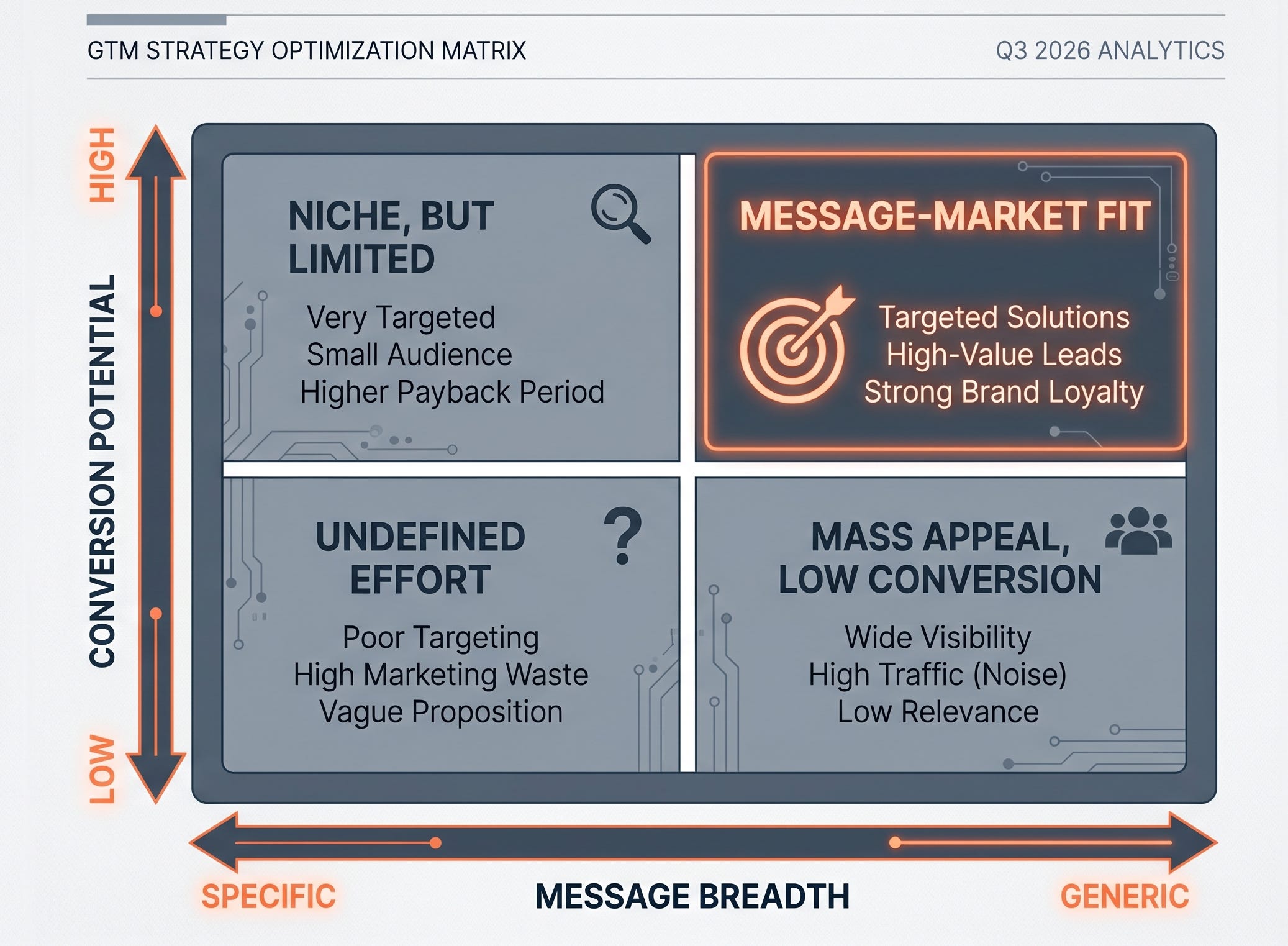
The survival of your venture depends on your willingness to be ignored by 99% of the market. A thousand people who desperately need what you’ve built are worth more than a million who simply recognize your name.